
















The Mediterranean diet has a curious problem.
It is famous enough that almost everyone has heard of it, yet familiar enough to be misunderstood.
Ask what makes it healthy and the answers often become a list of individual foods:
Olive oil.
Fish.
Nuts.
Tomatoes.
Maybe red wine.
Each of those foods can have a place in Mediterranean-style eating. But focusing too closely on any one of them misses what makes this approach to nutrition especially interesting.
The Mediterranean diet is not built around a miracle ingredient.
It is a dietary pattern—a recurring combination of foods, proportions, substitutions, and eating habits that changes the nutritional character of the diet as a whole.
Vegetables do not work alone.
Olive oil does not work alone.
Fish does not erase everything else someone eats.
And sprinkling nuts onto an otherwise very different diet does not automatically create a Mediterranean pattern.
The strongest lesson from decades of Mediterranean-diet research may therefore be broader than the diet itself:
Health is influenced not only by individual nutrients and foods, but by the way foods repeatedly fit together over time.
There Is No Single Mediterranean Menu
The countries surrounding the Mediterranean Sea do not all eat the same food.
Traditional cuisines in Greece, southern Italy, Spain, southern France, Turkey, Lebanon, Morocco, and other Mediterranean regions differ substantially.
One culture may rely heavily on chickpeas.
Another uses lentils.
One emphasizes pasta.
Another bread.
Different vegetables, herbs, seafood, grains, cheeses, and cooking traditions appear from place to place.
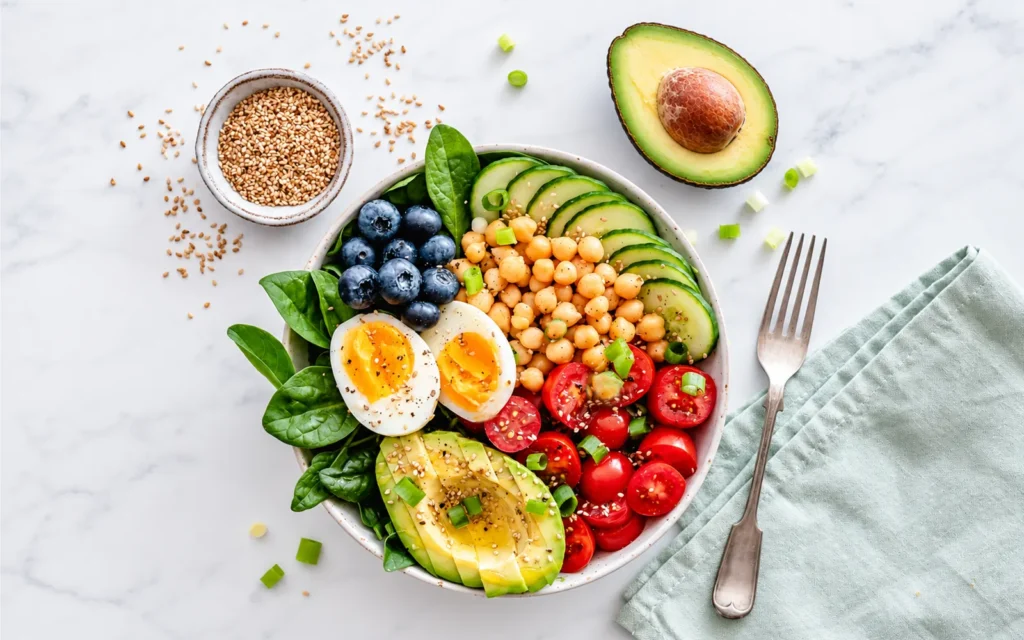
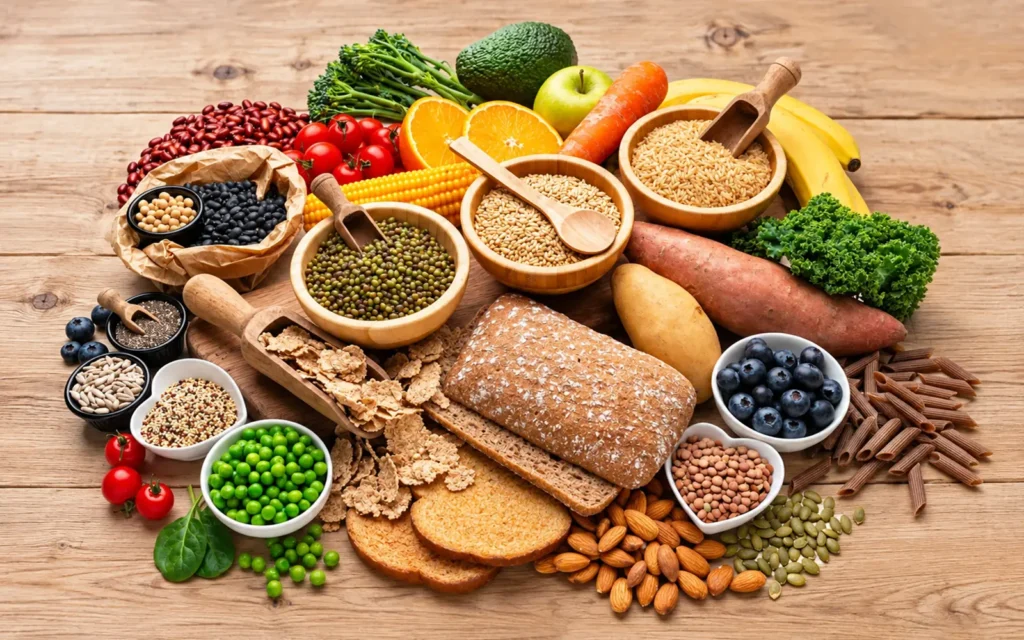
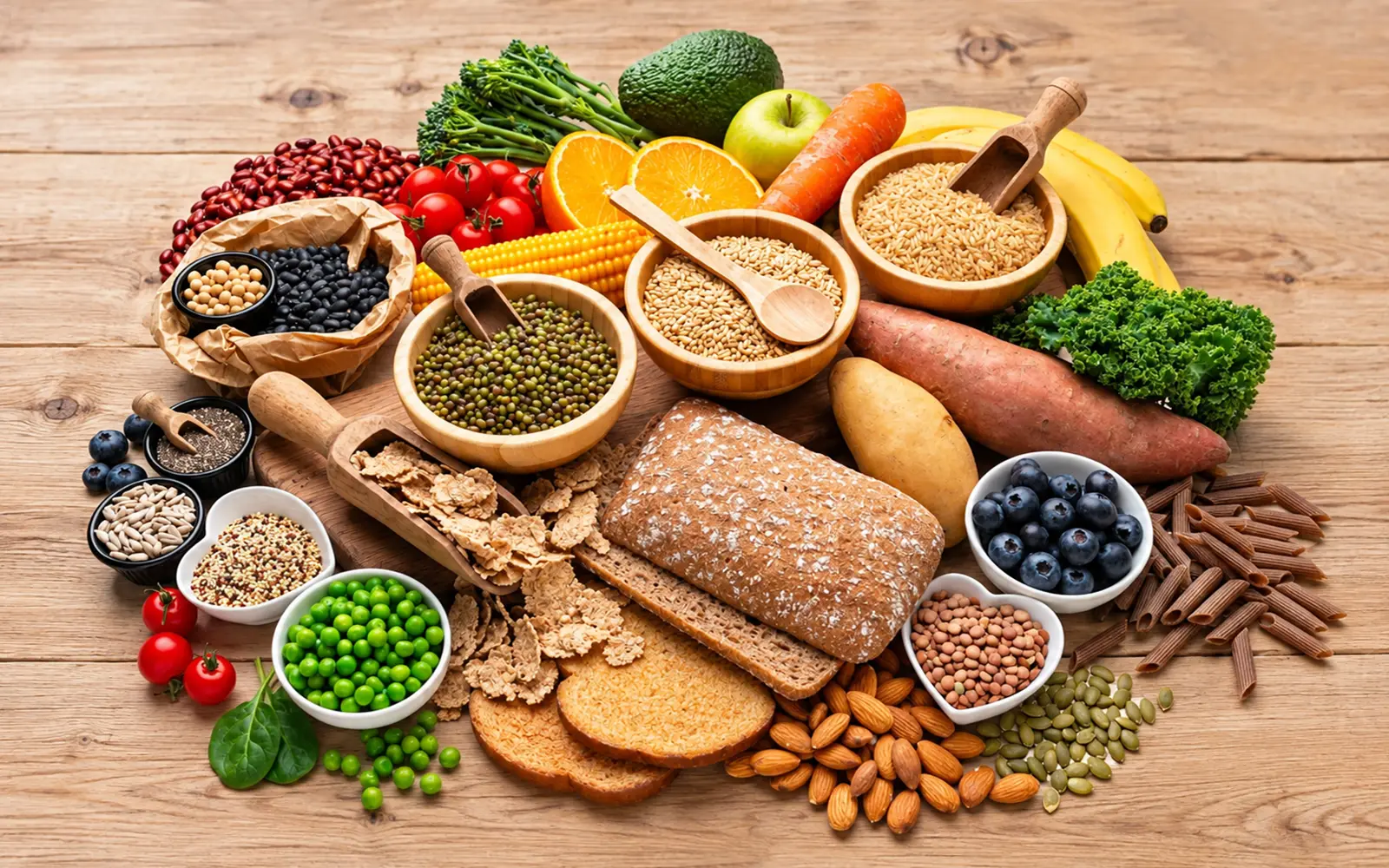
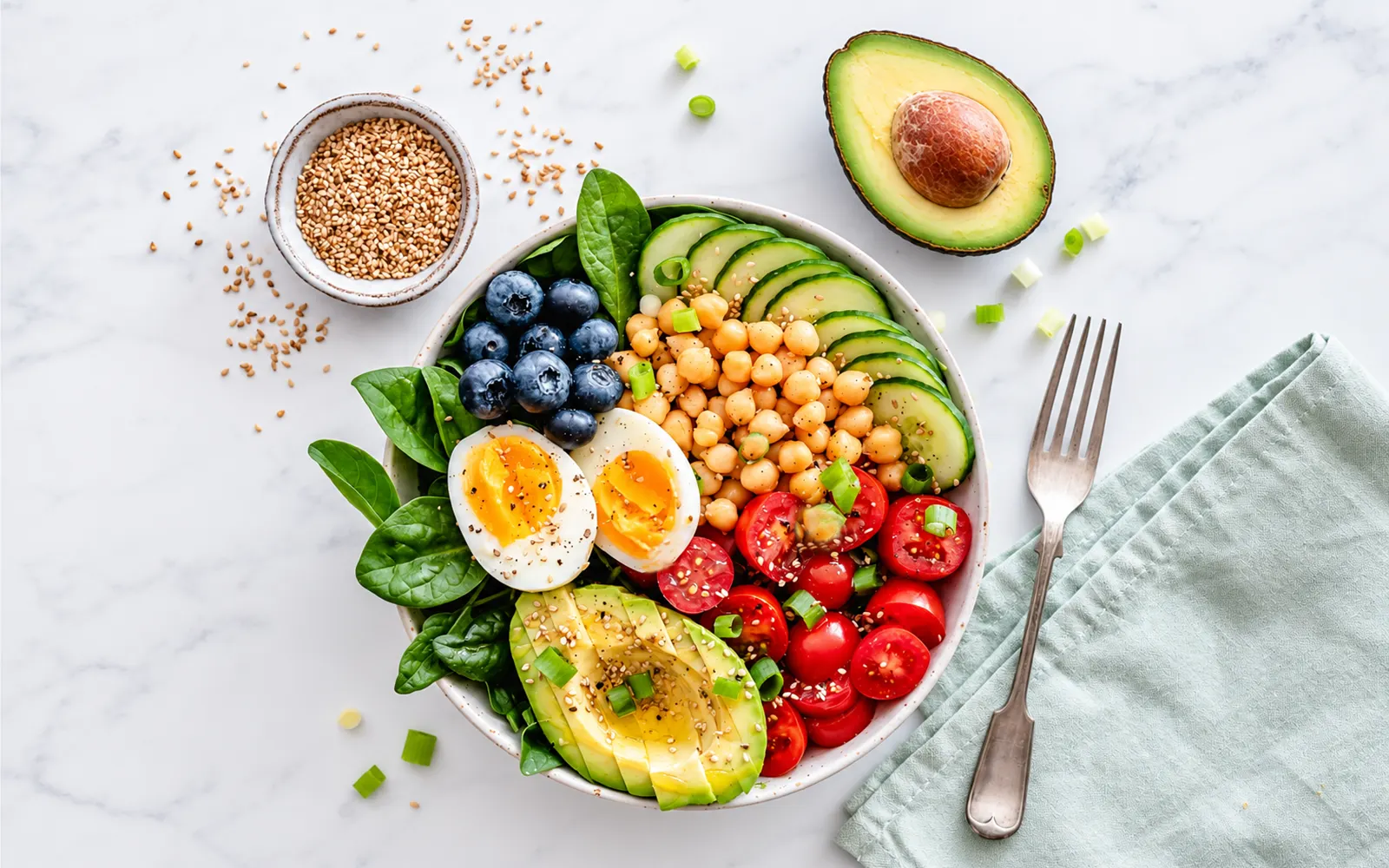
The American Heart Association therefore describes Mediterranean-style eating as a broad pattern rather than a rigid menu. Common features include abundant fruits and vegetables, beans and other legumes, whole grains, nuts and seeds, olive oil as an important fat source, regular fish or seafood, and relatively smaller amounts of red and processed meat and highly processed foods.
That flexibility is important.
A Mediterranean diet is not nutritionally valuable because every meal looks Italian or Greek.
It is valuable because certain relationships among foods keep recurring.
The Pattern Is Defined by What Comes In—and What It Replaces
Nutrition becomes especially interesting when we think in terms of substitution.
Eating more olive oil may mean eating less butter.
Choosing lentils for dinner may mean eating less processed meat.
Eating fruit for dessert may mean eating fewer pastries or sweets.
Choosing whole-grain bread may displace some refined grains.
Having fish regularly may reduce how often red meat appears on the plate.
This means dietary patterns operate in two directions at once.
They add certain foods and nutrients.
They also make less room for other foods and nutrients.
Current American Heart Association guidance reflects this pattern-based approach by emphasizing vegetables and fruits, whole grains, legumes and other healthful protein sources, fish, nuts, and unsaturated plant oils while reducing saturated fats, processed meats, added sugars, sodium, refined carbohydrates, and many highly processed foods.
That is one reason nutrition cannot always be understood by studying isolated ingredients.
What replaces what matters.
What Does Mediterranean-Style Eating Usually Emphasize?
There is no one required menu, but the pattern commonly gives greater emphasis to:
- Vegetables and fruits, eaten in substantial variety rather than as occasional side dishes.
- Beans, lentils, chickpeas, and other legumes, providing fiber, protein, minerals, and slowly digested carbohydrate.
- Whole grains, with refined grains playing a smaller role.
- Nuts and seeds, often used as snacks, additions to meals, or sources of unsaturated fat.
- Olive oil, particularly in traditional Mediterranean settings, as a major source of dietary fat.
- Fish and seafood, consumed more regularly than red or processed meat.
- Moderate amounts of dairy, eggs, and poultry, depending on the regional version of the diet.
- Less frequent sweets, sugary beverages, processed meats, and heavily refined foods, allowing minimally processed foods to make up more of the overall pattern.
None of those individual foods has to be eaten perfectly.
What matters is the direction of the overall diet.
Why Nutrition Scientists Study Patterns
Nutrition research once focused heavily on individual nutrients.
How much fat?
How much cholesterol?
How much vitamin E?
How much carbohydrate?
Those questions remain important.
But human beings do not eat nutrients in isolation.
We eat meals.
Foods bring thousands of chemical compounds together within physical structures that affect digestion, absorption, metabolism, and one another.
The idea of food synergy was developed partly to describe this problem. Nutrients and other food constituents coexist within foods, while foods themselves coexist within dietary patterns. Their combined effect can differ from what we might predict by examining each component separately.
This does not mean nutrition science can no longer identify useful individual components.
We know fiber matters.
Unsaturated fats matter.
Protein quality matters.
Minerals and vitamins matter.
But the Mediterranean diet reminds us that the diet containing those nutrients also matters.
Olive Oil Is Important—but It Is Not Magic
No food is more closely associated with Mediterranean eating than olive oil.
Extra-virgin olive oil provides predominantly monounsaturated fat, particularly oleic acid, along with various phenolic compounds.
Replacing butter, lard, or other foods high in saturated fat with unsaturated plant oils can improve the overall fat profile of the diet. Current cardiovascular dietary guidance specifically recommends unsaturated plant oils in place of sources richer in saturated fat.
But this is very different from saying:
Olive oil makes any diet healthy.
Imagine two people who consume the same amount of olive oil.
One eats it with vegetables, beans, fish, whole grains, nuts, and fruit.
The other adds it to a dietary pattern dominated by processed meats, refined grains, sugary drinks, and sweets.
Those diets are not equivalent simply because both contain olive oil.
Even research specifically examining Mediterranean diets enriched with olive oil has not found uniform improvements across every cardiometabolic outcome. A 2024 meta-analysis of randomized trials, for example, found inconsistent effects across a number of anthropometric and metabolic measures.
Olive oil can contribute something useful.
It does not carry the entire Mediterranean diet on its own.
Nuts Tell a Similar Story
Nuts provide unsaturated fats, protein, fiber, minerals, and a variety of plant compounds.
They fit naturally within Mediterranean-style eating.
But once again, context matters.
A handful of nuts can replace cookies or chips.
They can be added to oatmeal or salad.
They can help diversify protein and fat sources.
Their contribution comes not only from what they contain but from the role they occupy within the overall diet.
This is why asking whether nuts are healthy is a narrower question than asking what happens when nuts become one part of a dietary pattern rich in minimally processed plant foods and unsaturated fats.
Plants Change More Than the Vitamin Count
The Mediterranean pattern is sometimes described as plant-based, although it is not necessarily vegetarian.
Vegetables, fruits, legumes, nuts, seeds, and whole grains contribute considerable amounts of fiber, potassium, magnesium, vitamins, and numerous phytochemicals.
These foods also change the physical structure of meals.
They can alter energy density.
They provide fermentable substrates for the gut microbiome.
Whole grains and legumes produce different post-meal glucose responses from many highly refined carbohydrate foods.
Nuts and olive oil shift dietary fat toward unsaturated forms.
The resulting diet is therefore not merely richer in a handful of vitamins.
Its overall nutrient profile, food structure, and metabolic effects change together.
That is what a pattern can accomplish that an isolated supplement cannot necessarily reproduce.
“The Mediterranean diet may work best not because one food is extraordinary, but because many ordinary foods repeatedly move the diet in a healthier direction together.”
Protein Is Part of the Pattern Too
Mediterranean-style eating is sometimes portrayed almost entirely through vegetables and olive oil.
Protein deserves more attention.
Legumes contribute substantially.
Fish and seafood are prominent.
Nuts and seeds provide smaller but meaningful amounts.
Eggs, poultry, dairy foods, and meat may also appear, but traditionally they do not have to dominate every meal.
The important shift is often one of proportion and frequency.
A meal based on lentils does not require meat to be nutritionally meaningful.
Fish may take the place of a steak.
Beans may become the main ingredient rather than a side dish.
This creates a dietary pattern that can provide adequate protein while simultaneously increasing fiber and changing the types of fat and other nutrients being consumed.
Again, the pattern works partly through substitution.
What About Red Meat?
Mediterranean eating does not require complete avoidance of red meat.
Its traditional pattern simply gives red and especially processed meats a smaller role than they occupy in many Western diets.
That distinction matters.
Nutrition frequently becomes polarized into:
allowed
or
forbidden.
Mediterranean-style eating is better understood through frequency and proportion.
A food can appear occasionally without becoming the center of the diet.
That flexibility may also help explain why people can adapt Mediterranean principles without feeling that they have joined a restrictive diet.
Wine Is Not a Requirement
Wine creates one of the most persistent misunderstandings about the Mediterranean diet.
Historically, moderate wine consumption—particularly with meals—has been included in descriptions of some traditional Mediterranean patterns.
That does not mean alcohol should be added for health.
Current American Heart Association guidance is explicit: people who do not drink alcohol should not begin drinking in order to obtain a presumed health benefit, and people who do drink should limit intake.
Alcohol carries established health risks.
A Mediterranean-style diet can be followed completely without it.
Removing wine does not remove the vegetables, legumes, whole grains, nuts, fish, olive oil, or overall dietary structure that define the larger pattern.
One of the Strongest Trials Tested a Pattern, Not a Single Food
The landmark PREDIMED trial provides an instructive example.
Researchers enrolled 7,447 adults in Spain who were at high cardiovascular risk but did not have cardiovascular disease when entering the study.
Participants were assigned to one of three groups: a Mediterranean diet supplemented with extra-virgin olive oil, a Mediterranean diet supplemented with mixed nuts, or advice to follow a reduced-fat diet.
After a median follow-up of 4.8 years, major cardiovascular events occurred less frequently in both Mediterranean-diet groups.
The corrected 2018 analysis reported hazard ratios of 0.69 for the Mediterranean-plus-olive-oil group and 0.72 for the Mediterranean-plus-nuts group compared with the control group.
PREDIMED deserves a qualification because protocol deviations in the original randomization procedures led investigators to withdraw the initial publication and issue a corrected analysis. Sensitivity analyses in the revised report continued to show similar results, but that history remains relevant when interpreting the trial.
Even with that limitation, something about the trial is especially relevant to our question.
One Mediterranean group received extra olive oil.
The other received nuts.
Both were encouraged to change the whole eating pattern.
It therefore would be difficult to use PREDIMED honestly as proof that one particular food explains the outcome.
Evidence Also Exists After Heart Disease Has Already Developed
Another important trial, CORDIOPREV, studied 1,002 people who already had coronary heart disease.
Participants were assigned to either a Mediterranean or low-fat dietary intervention and followed for seven years.
Major cardiovascular events occurred less frequently in the Mediterranean-diet group. Depending on the statistical model, the adjusted hazard ratios were approximately 0.72 to 0.75 compared with the low-fat group.
The population was predominantly male, which limits how confidently the exact result can be generalized to women.
But the trial adds an important piece to the broader evidence: Mediterranean-style eating has been studied not only through observational associations but also through long-term randomized dietary interventions.
The Cardiovascular Evidence Is Strong—but Not Perfect
It would be easy to take PREDIMED and CORDIOPREV and declare the Mediterranean diet scientifically proven to be the single best diet for cardiovascular health.
That would go too far.
An umbrella review published in 2024 examined 18 meta-analyses involving 238 randomized trials and found evidence that Mediterranean dietary interventions can reduce some cardiovascular outcomes, particularly in people who already have cardiovascular disease. However, the authors also judged the methodological quality of most of the included reviews to be low or critically low, and overall certainty was often limited.
A 2025 meta-analysis restricted to overweight and obese adults likewise found improvements in some outcomes—including triglycerides, waist circumference, and body mass index—but not across every cardiovascular risk factor, and the quality of evidence for many outcomes was low or very low.
That nuance does not erase the favorable evidence.
It tells us not to turn a well-supported dietary pattern into nutritional mythology.
The Pattern Also Relates to Type 2 Diabetes Risk
The Mediterranean diet has substantial evidence in metabolic health as well.
A 2025 updated systematic review examining 24 prospective cohort studies and one randomized trial included nearly one million participants. Greater adherence to the Mediterranean pattern was associated with lower incidence of type 2 diabetes, with the evidence graded as moderate certainty.
A separate systematic review conducted for recent Mediterranean-diet guidelines similarly found that greater adherence was associated with lower risk of type 2 diabetes and several other metabolic outcomes, although certainty differed between outcomes.
Here again, observational evidence cannot prove that the diet alone caused the difference.
People who adhere closely to healthy dietary patterns may differ in physical activity, smoking, socioeconomic circumstances, healthcare use, and other behaviors.
Well-designed studies try to adjust for these factors.
They cannot remove every possible source of confounding.
The randomized evidence therefore remains especially important.
What About Longevity?
The association with overall mortality is remarkably consistent across observational research.
A 2026 systematic review included 54 cohort studies, approximately 1.83 million participants, and more than 346,000 deaths. Greater Mediterranean-diet adherence was associated with progressively lower all-cause mortality, and the authors rated the overall evidence as moderate certainty.
An earlier meta-analysis involving more than 1.6 million participants found a similar dose-response relationship.
These are associations rather than proof that Mediterranean eating alone lengthens life.
But their consistency across large populations strengthens the broader case for the dietary pattern.
Brain Health Is Promising, but the Evidence Is Less Definitive
Mediterranean-style eating has also become prominent in discussions of cognitive aging.
A 2025 meta-analysis of 23 studies found that greater adherence was associated with lower risks of cognitive impairment, dementia, and Alzheimer’s disease. The studies, however, showed significant heterogeneity, and much of the evidence was observational.
Randomized trials examining dietary patterns and cognition have generally reported much smaller effects and more variable results.
So it is reasonable to say that Mediterranean eating is associated with healthier cognitive aging and biologically plausible mechanisms exist through vascular and metabolic health.
It is not reasonable to promise that the diet prevents dementia.
The evidence is not that simple.
The Diet Probably Works Through More Than One Pathway
When researchers search for a single mechanism explaining the Mediterranean diet, they run into the same problem that appears when looking for a single hero food.
There probably is not one.
The pattern simultaneously affects many nutritional exposures:
more unsaturated fat and less saturated fat,
more fiber,
more plant foods,
more potassium and other micronutrients,
more legumes and whole grains,
different protein sources,
fewer processed meats,
often fewer refined carbohydrates and sugary foods.
A long-term study of more than 25,000 women found that the association between stronger Mediterranean-diet adherence and lower mortality appeared to be distributed across multiple metabolic and inflammatory pathways rather than explained by one biomarker.
That is exactly what we might expect from a dietary pattern.
A complex input produces multiple biological effects.
No Individual Food Has to Be Perfect
This way of thinking also makes nutrition less fragile.
If the benefit depended entirely on one food, forgetting that food would undermine the diet.
Patterns do not work that way.
Someone may dislike fish but eat beans, nuts, vegetables, whole grains, fruit, and unsaturated plant fats.
Someone else may eat seafood frequently but rarely consume dairy.
A person may use olive oil while another culturally adapted version uses another predominantly unsaturated plant oil.
The exact foods can change while many of the nutritional relationships remain recognizable.
That flexibility is one reason the Mediterranean pattern travels well beyond the Mediterranean region.
You Do Not Have to Eat “Mediterranean Food”
This may be the most practically important point.
A person living in California, Mexico, India, Japan, Lebanon, or Scandinavia does not need to recreate a Greek village menu to use the underlying principles.
Black beans can serve the same broad nutritional role as chickpeas.
Brown rice can replace farro.
Avocado or another unsaturated plant-fat source may complement or partially replace olive oil.
Local vegetables can replace Mediterranean vegetables.
The grain does not have to be Italian.
The bean does not have to be Greek.
The cuisine does not have to be imported.
What matters is preserving the nutritional architecture:
a high proportion of plant foods,
whole or minimally refined carbohydrate sources,
regular legumes and nuts,
healthful fat sources,
appropriate protein diversity,
and a smaller role for processed meats, highly refined foods, and excessive added sugars.
This is one reason the Mediterranean diet is more transferable than its name suggests.
Mediterranean Does Not Mean Low-Fat
Another misconception comes from decades of low-fat diet culture.
Mediterranean eating can contain a substantial amount of fat.
Olive oil contains fat.
Nuts contain fat.
Seeds contain fat.
Fish can contain considerable fat.
The distinction is largely about fat quality and food source, not simply minimizing total fat.
The American Heart Association’s current guidance similarly emphasizes replacing saturated fats with unsaturated plant oils rather than pursuing low total fat as a universal objective.
That said, olive oil and nuts are energy-dense foods.
Mediterranean eating does not suspend energy balance.
Someone trying to alter body weight still has to consider total intake, appetite, activity, and individual circumstances.
A healthy dietary pattern is not metabolically exempt from quantity.
Mediterranean Does Not Mean Unprocessed Perfection
Traditional Mediterranean diets include processed foods.
Bread is processed.
Cheese is processed.
Yogurt is processed.
Olive oil is produced through processing.
Canned beans, frozen vegetables, canned tomatoes, and canned fish can all fit comfortably into Mediterranean-style eating.
The more useful distinction is often between foods processed for practical preservation or preparation and dietary patterns dominated by highly refined, energy-dense foods that contribute large amounts of added sugar, sodium, saturated fat, or calories while displacing more nutrient-dense foods.
This prevents Mediterranean eating from becoming another purity standard.
Nutrition does not require perfection.
Is the Mediterranean Diet Better Than Every Other Healthy Diet?
No dietary pattern deserves that kind of universal claim.
Mediterranean-style eating is particularly well studied, and its evidence base is a major strength.
But many of its defining features are shared by other health-supportive patterns.
DASH emphasizes fruits, vegetables, whole grains, legumes, nuts, and lower saturated fat.
Well-planned vegetarian diets can do the same.
Traditional diets from many cultures can emphasize plant foods, whole grains, legumes, seafood, and unsaturated fats without ever being called Mediterranean.
The American Heart Association’s current dietary guidance therefore emphasizes features of healthy dietary patterns rather than requiring everyone to adopt one named diet.
That is consistent with the evidence.
Mediterranean eating is a strong option.
It is not the only credible way to eat well.
The Pattern Can Be Built One Substitution at a Time
No one needs to replace an entire diet overnight.
Because the Mediterranean approach is pattern-based, small repeated substitutions can gradually change the larger pattern.
Cook more often with an unsaturated plant oil instead of butter.
Add beans to meals that would otherwise rely entirely on meat.
Choose whole grains more often.
Make vegetables a larger part of lunch and dinner.
Replace some processed-meat meals with fish or legumes.
Choose fruit or nuts at times when sweets or highly refined snacks would otherwise be automatic.
None of those choices is revolutionary.
That may be their strength.
When repeated, they begin changing the diet’s proportions.
Eventually the pattern changes without any individual meal having to be perfect.
Why the Pattern May Be the Real Lesson
Nutrition culture is attracted to heroes.
One food to eat.
One food to avoid.
One nutrient to maximize.
One ingredient responsible for everything.
The Mediterranean diet points in another direction.
Its strongest evidence emerged not because researchers discovered a single Mediterranean superfood, but because a recognizable collection of foods kept appearing together—and because that collection could be tested as an overall dietary intervention.
Olive oil matters.
Fiber matters.
Legumes matter.
Whole grains matter.
Fish, nuts, fruits, and vegetables matter.
But none of them has to carry the entire burden of a healthy diet.
The Mediterranean diet may work best not because one food is extraordinary, but because many ordinary foods repeatedly move the diet in a healthier direction together.
That idea extends far beyond the Mediterranean.
A dietary pattern is the nutritional result of what we choose again and again.
And over years, those repeated choices may matter more than whether any single meal—or any single food—was perfect.
Nutrition and Health Disclaimer
This article is intended for general educational purposes and is not individualized medical or nutrition advice. Dietary needs may differ for people with diabetes requiring medication adjustment, chronic kidney disease, gastrointestinal disorders, food allergies, malnutrition, swallowing difficulties, eating disorders, or other medical conditions affecting food intake or metabolism. People who require therapeutic dietary modification should seek individualized guidance from an appropriately qualified healthcare professional or registered dietitian. Alcohol is not required for a Mediterranean-style diet, and people who do not currently drink should not begin drinking for presumed health benefits.