












For generations, people have spoken about the connection between the mind and body. Most of us have experienced it directly: a stressful thought can make the heart race, fear can tighten the stomach, excitement can create a surge of energy, and a comforting conversation can help the body relax. Even a peaceful night’s sleep can dramatically influence how we feel the following morning.
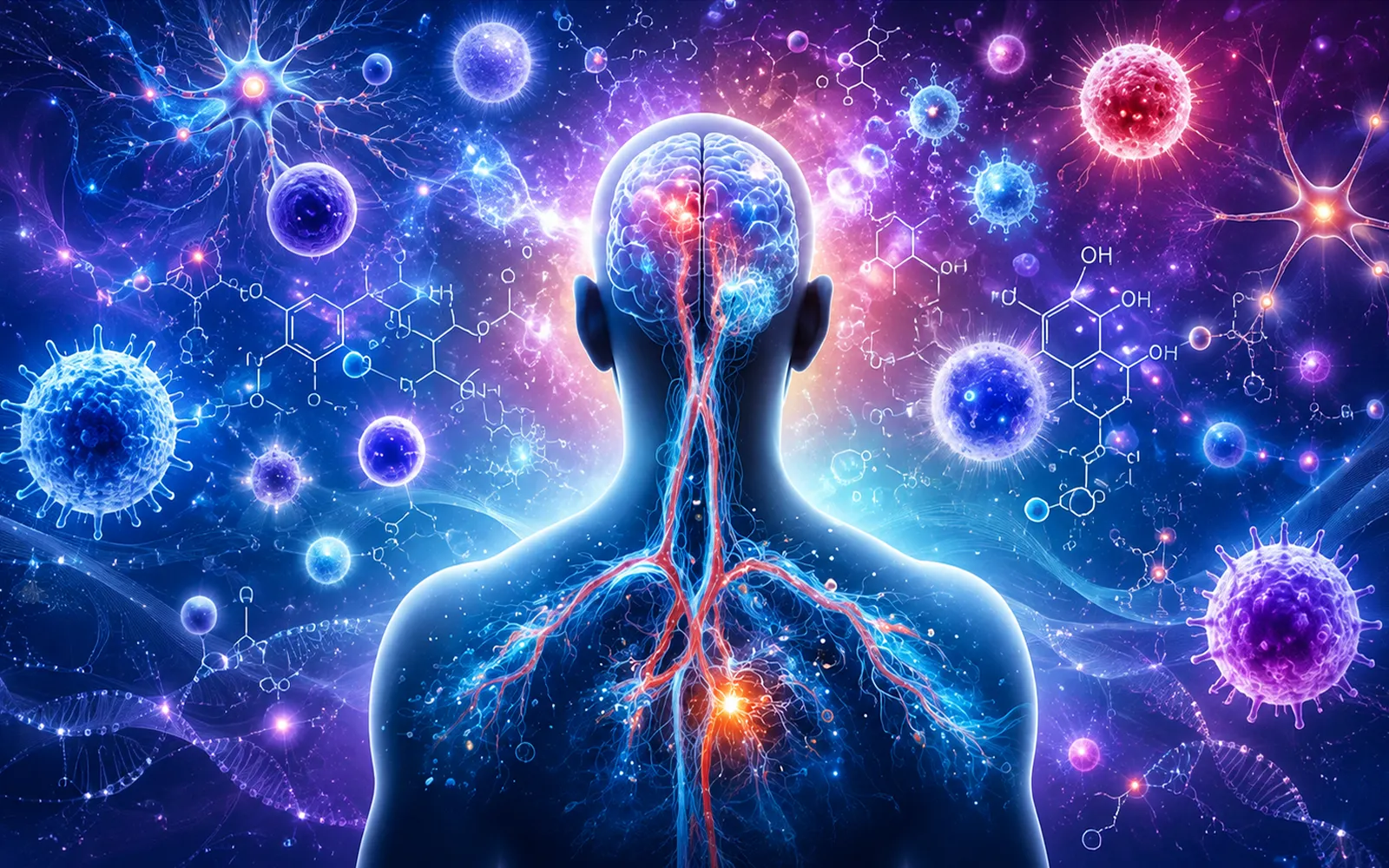
Modern science is revealing that these experiences are not simply “in our heads.” The brain, nervous system, hormones, and immune system are engaged in an ongoing biological conversation.
The scientific field devoted to understanding this relationship is called psychoneuroimmunology, often abbreviated PNI.
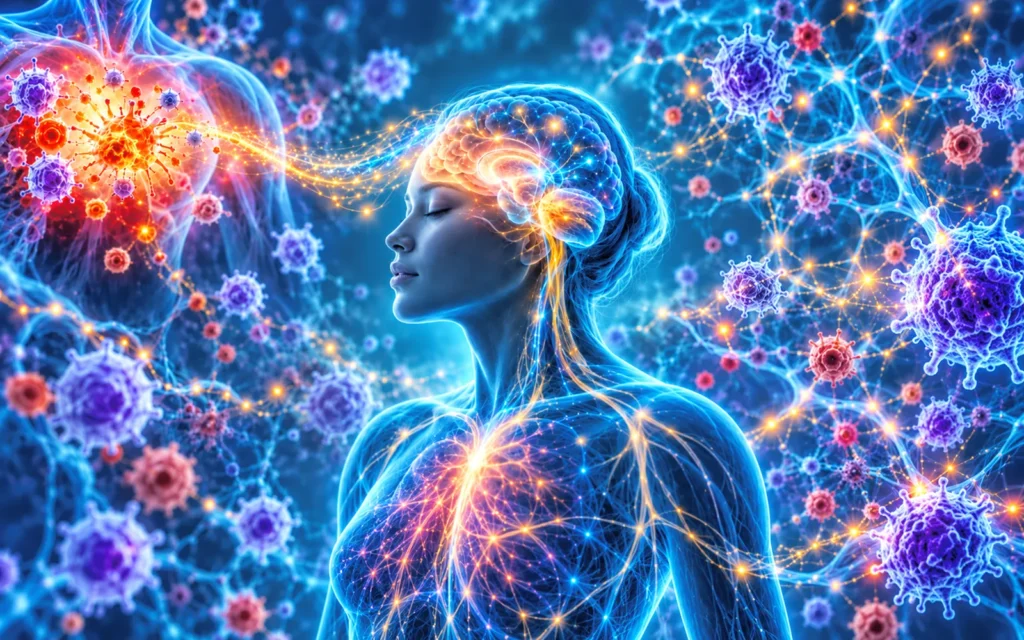
Psychoneuroimmunology studies how psychological experiences—including stress, emotions, relationships, behavior, and mental state—interact with the nervous, endocrine, and immune systems. Research accumulated over several decades shows that these systems do not function independently. Stress and social experiences can influence immune and hormonal activity, while immune signals can communicate back to the brain and influence mood, energy, motivation, and behavior.
This leads to one of the most important ideas in modern mind-body science:
The mind and immune system are not separate worlds. They are parts of one continuously communicating biological network.
What Is Psychoneuroimmunology?
The word psychoneuroimmunology may look intimidating, but its meaning becomes much clearer when divided into its parts:
- Psycho — thoughts, emotions, perceptions, and behavior
- Neuro — the brain and nervous system
- Immunology — the immune system
PNI also considers the endocrine system, the body’s network of hormones, because hormones provide another major communication pathway between the brain and the rest of the body.
Rather than studying a person as a collection of isolated systems, psychoneuroimmunology asks a broader question:
How does the entire human organism respond to experience?
Consider a stressful event. The experience does not remain purely psychological. The brain interprets what is happening, nervous-system activity changes, hormones are released, heart rate and breathing may shift, and immune cells receive chemical signals. Inflammatory activity may also change, and immune signals can eventually communicate information back toward the brain.
Research has shown that stress can influence immune-cell distribution, inflammatory signaling, and immune activity through pathways involving the hypothalamic-pituitary-adrenal axis, or HPA axis, and the sympathetic nervous system.
The communication is not one-way.
It is a biological feedback system.
“Mind and body were never truly separate to begin with—the brain, nervous system, hormones, and immune system are continually communicating as part of one interconnected human system.”
The Mind-Body Connection Is Biological
One of the greatest contributions of psychoneuroimmunology is that it gives scientific meaning to the familiar phrase mind-body connection.
When the brain perceives danger, the sympathetic nervous system becomes more active. Stress hormones and neurotransmitters are released, heart rate rises, breathing changes, blood pressure may increase, and energy is mobilized to prepare the body for action.
The immune system also responds to these signals.
Importantly, short-term stress is not automatically harmful. Acute stress can temporarily mobilize certain immune defenses and prepare the body to respond to possible injury or infection. The stress response is part of normal human survival biology.
The greater concern arises when the emergency response remains activated for too long.
That is where chronic stress becomes especially important.
Stress: When a Helpful Response Lasts Too Long
The human stress response evolved to help us meet challenges. The difficulty is that the body does not always distinguish neatly between immediate physical danger and persistent psychological pressure.
Stress can come from many sources, including:
- Financial worries
- Caregiving responsibilities
- Relationship conflict
- Loneliness or social isolation
- Work pressure
- Uncertainty
- Sleep deprivation
- Persistent worry
Any of these experiences may keep stress-response systems activated longer than is useful.
Chronic stress can alter regulation of the HPA axis and sympathetic nervous system, affecting cortisol, neurotransmitters, immune-cell activity, and inflammatory signaling. This differs from the shorter, often adaptive physiological response associated with acute stress.
Stress therefore is not merely an unpleasant feeling.
It is a biological state capable of influencing the environment in which the body maintains, protects, and repairs itself.
The Immune System Also Talks to the Brain
The mind-body conversation does not travel only from the brain toward the body.
The immune system communicates back to the brain.
Immune cells release signaling molecules called cytokines, which help coordinate inflammation and immune responses. These molecules can also influence brain function and behavior.
When we become sick, for example, we often feel tired, sleepy, less motivated, and less interested in normal activities. These changes are not accidental. They are partly connected with signals produced as the immune system responds to illness.
Research into neuroimmune communication has shown that inflammatory activity can influence neurotransmitter metabolism and brain circuits associated with mood, motivation, fatigue, and emotional regulation.
The communication can therefore be thought of broadly as:
Mind → Brain → Nervous System → Hormones → Immune System
and then:
Immune System → Chemical Signals → Brain → Mood, Energy, and Behavior
Rather than a one-way street, the mind-body relationship operates more like a continuous feedback loop.
What Does This Have to Do With Healing?
This is where psychoneuroimmunology becomes particularly fascinating.
Healing requires highly coordinated biological activity. Immune cells must respond appropriately, inflammatory signals must be regulated, damaged tissues must repair themselves, and the nervous and endocrine systems must help coordinate the resources needed for recovery.
Research shows that psychological stress can influence some of these processes.
One of the clearest examples involves wound healing. Human and animal studies have found that psychological stress can slow the healing of wounds, with interactions among stress hormones and inflammatory cytokines contributing to the effect.
Broader psychoneuroimmunology research has also associated psychosocial adversity with changes in wound healing, susceptibility to infection, vaccine responses, inflammation, and other aspects of immune function.
This does not mean that positive thinking can magically heal an injury or cure disease.
It means something scientifically more interesting:
The psychological environment in which healing occurs can influence biological processes involved in that healing.
That changes the way we think about recovery.
The Body Is Constantly Listening
At every moment, the brain is interpreting information about the world and the body.
Am I safe?
Am I threatened?
Am I exhausted?
Am I supported?
Do I need to prepare for action?
Can I relax?
Those evaluations help shape the physiological state of the organism.
When the brain repeatedly perceives threat, stress-response systems may remain more active. When circumstances allow a person to feel safe and relaxed, a different physiological pattern can emerge.
The relaxation response represents a state that contrasts with the stress response and can involve slower heart rate, reduced blood pressure, lower oxygen consumption, and reduced stress-hormone activity.
This is one reason stress management should not be dismissed as merely a luxury.
Relaxation is not simply “doing nothing.”
It is a different physiological state.
Can Relaxation Support Immune Health?
Mind-body practices should not be described as instant “immune boosters.” The immune system is far too complex for that language.
However, practices that help reduce persistent stress may contribute to a more favorable physiological environment.
Research on stress-management approaches has reported beneficial changes in areas including stress hormones, blood pressure, sleep, and some inflammatory measures.
Mindfulness provides an interesting example. Research examining mindfulness-based interventions has reported changes in several inflammatory and aging-related biomarkers, including measures such as IL-6, TNF-alpha, and C-reactive protein in some randomized studies.
These findings do not mean meditation cures inflammatory disease.
They suggest something more useful:
Mental and behavioral practices may be capable of influencing measurable physiological pathways associated with stress and inflammation.
That is exactly the kind of relationship psychoneuroimmunology was created to explore.
Sleep: Where Mind, Brain, and Immunity Meet
Sleep provides another powerful example of the mind-body relationship.
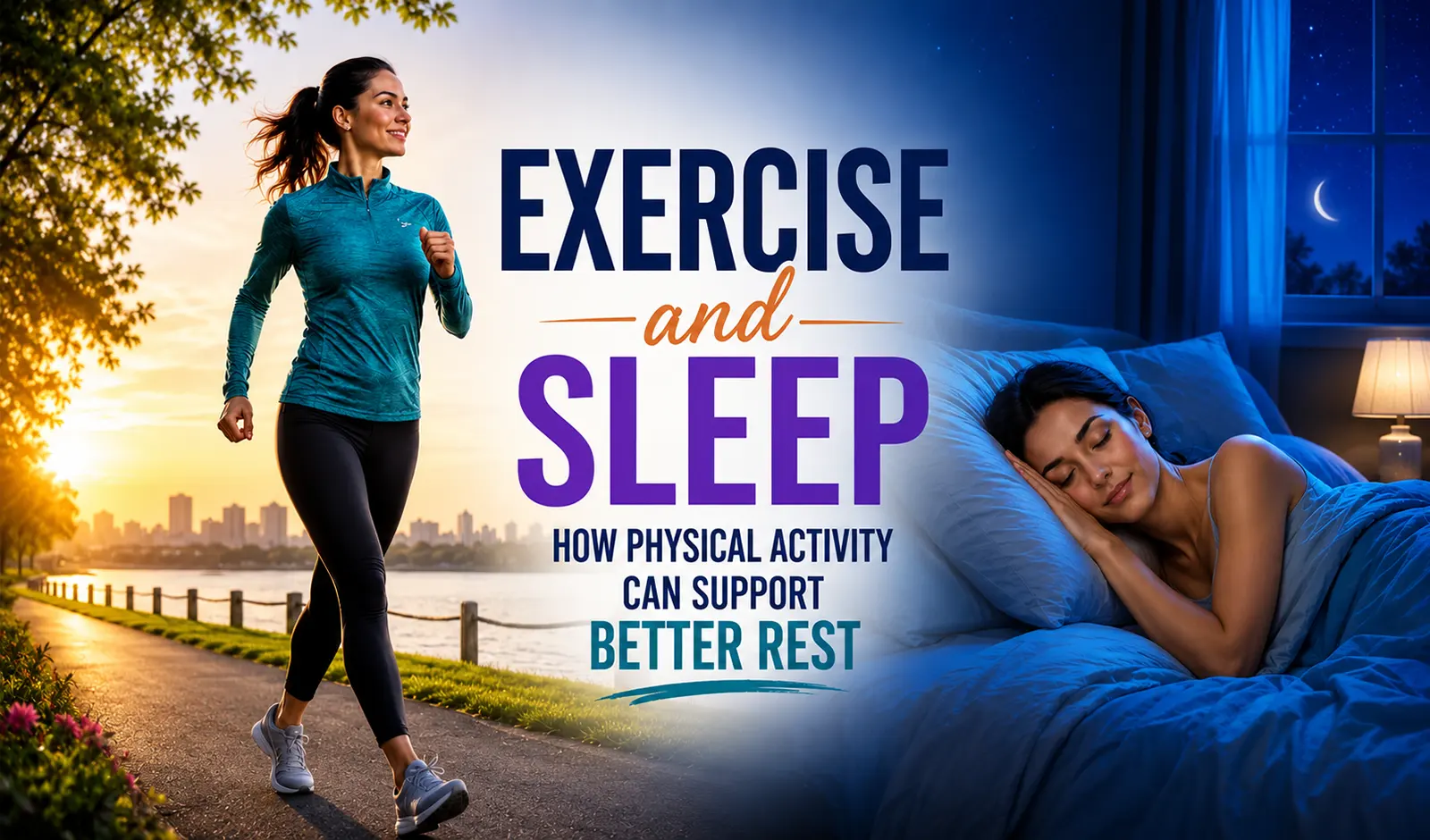
Sleep is not simply a period when the body shuts down. It is an active biological state involving restoration, memory processing, hormonal regulation, metabolism, and immune activity.
Research demonstrates a bidirectional relationship between sleep and immunity. Poor or disrupted sleep can contribute to inflammatory changes and increased susceptibility to infection, while immune activation and inflammation can themselves disrupt normal sleep.
This creates another feedback loop:
- Stress can interfere with sleep.
- Poor sleep can influence immune regulation.
- Immune activity can affect energy and mood.
- Changes in mood can create additional stress.
Understanding these interactions helps explain why improving health often involves addressing several areas of life rather than focusing on one system in isolation.
Sleep is where psychology, neurology, hormones, metabolism, and immunity intersect every night.
Movement Is Part of the Conversation Too
Physical activity provides another connection between the nervous, muscular, metabolic, and immune systems.
Exercise temporarily creates physiological stress. But when that challenge is appropriate and followed by adequate recovery, the body adapts.
Research has highlighted the important roles immune cells play in the body’s adaptation to exercise, including processes involved in maintaining and repairing skeletal muscle.
This illustrates an important principle:
Not all stress is harmful.
A manageable challenge followed by recovery can help adaptive biological systems become more capable.
The problem is often not stress itself.
It is stress without sufficient recovery.
Social Connection Can Become Biology
Perhaps one of the most remarkable findings in psychoneuroimmunology is that relationships can influence physiology.
Supportive relationships may help us feel safer and better able to cope with life’s challenges. Persistent conflict, loneliness, caregiving strain, and social isolation can have the opposite effect.
Long-term PNI research has associated loneliness, low social support, and distressed relationships with greater inflammatory and metabolic vulnerability, while stressful social experiences can influence endocrine and immune activity.
This does not mean that every disagreement damages the immune system.
Human biology is resilient.
But over time, the quality of our psychological and social environment can become part of our biological environment.
Relationships are experienced not only emotionally, but physiologically.
The Gut-Brain-Immune Connection
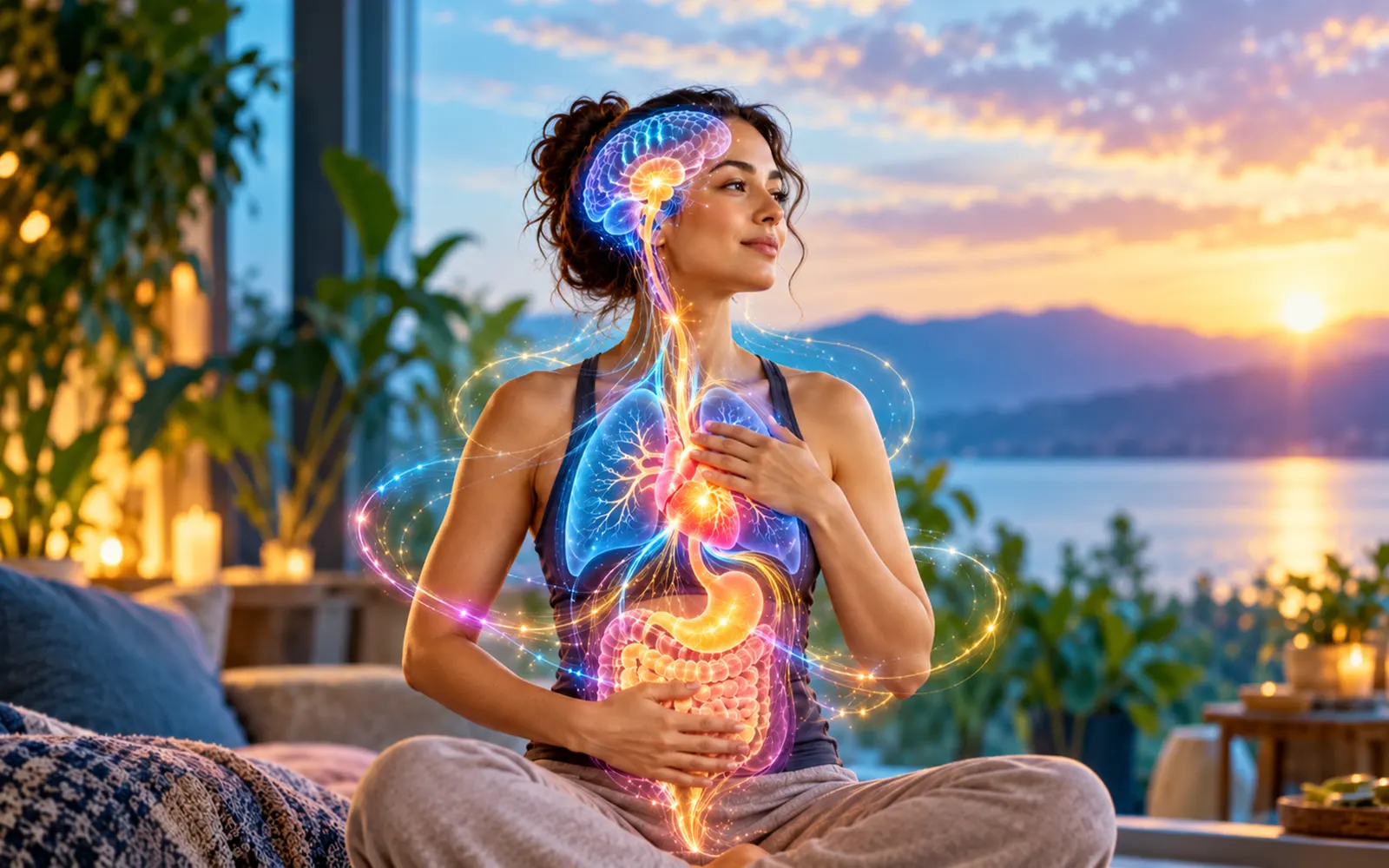
Psychoneuroimmunology is also expanding into the rapidly developing field of the gut-brain-immune axis.
The gastrointestinal tract contains an enormous community of microorganisms collectively known as the microbiome. These organisms interact with metabolism, immune function, intestinal physiology, and nervous-system signaling.
Researchers are increasingly studying how psychological stress, inflammation, intestinal function, and the microbiome influence one another.
Research has also begun examining whether interventions that combine psychological, mindfulness, and physical-activity components may be associated with changes not only in psychological well-being but also in inflammatory markers and aspects of the microbiome.
This field is still developing, and many questions remain.
But it reinforces a central message of PNI:
The human body operates as an interconnected ecosystem.
Healing Is More Than One System
Modern medicine is divided into specialties for good reason. Cardiology studies the heart. Neurology studies the brain. Immunology studies the immune system. Endocrinology studies hormones. Psychology studies thoughts and behavior.
These divisions make complex science and medicine manageable.
The body itself, however, does not recognize departmental boundaries.
The heart responds to nervous-system signals. Hormones influence immune cells. Immune molecules influence the brain. Sleep affects metabolism. Stress can affect digestion. Relationships influence stress responses. Physical activity affects inflammation.
Everything communicates.
Psychoneuroimmunology helps bring these pieces back together by examining how human health emerges from interacting systems rather than isolated parts.
A More Positive View of the Mind-Body Connection
One of the most hopeful implications of PNI is that the relationship between mind and body is dynamic rather than fixed.
If chronic psychological stress can influence physiology, reducing unnecessary stress may help create a more favorable biological environment.
If poor sleep affects immune regulation, improving sleep may support healthier regulation.
If loneliness can act as a physiological stressor, meaningful social connection may become an important component of wellness.
If physical activity affects immune signaling, movement may contribute to greater resilience.
And if relaxation practices can influence stress physiology, learning to intentionally shift from prolonged activation toward recovery may become a valuable health skill.
None of this guarantees protection from illness.
The more realistic—and still encouraging—message is that we may have more influence over some of the internal conditions surrounding health and recovery than was once appreciated.
Supporting the Mind-Body-Immune Connection
The science of psychoneuroimmunology points toward several practical habits that support overall health and may help create a healthier physiological environment:
- Manage persistent stress. Meditation, slow breathing, relaxation practices, enjoyable activities, time in nature, and other approaches may help interrupt prolonged stress activation.
- Protect your sleep. Healthy sleep supports normal communication among the nervous, endocrine, metabolic, and immune systems.
- Stay physically active. Appropriate exercise creates beneficial adaptations involving muscular, metabolic, cardiovascular, and immune processes.
- Cultivate meaningful relationships. Social support can influence how strongly and how long we respond to stress.
- Make room for recovery. The body benefits not only from challenge but from periods during which stress-response systems can settle.
- Pay attention to the whole person. Emotional health, physical health, sleep, movement, relationships, and lifestyle interact rather than operating independently.
No single practice controls the immune system.
The opportunity lies in creating a healthier overall biological environment.
What Psychoneuroimmunology Does—and Does Not—Mean
Because the mind-body connection is such an appealing idea, it can easily be exaggerated.
Psychoneuroimmunology does not mean:
- Positive thinking guarantees protection from illness.
- Stress is the cause of every disease.
- Meditation can replace medical treatment.
- People become sick because they failed to manage their emotions correctly.
- The mind can consciously control every aspect of immune activity.
- Relaxation alone can cure serious disease.
Human disease can involve genetics, infection, aging, environmental exposure, structural abnormalities, metabolic factors, immune dysfunction, chance events, and many other influences.
The more meaningful message from PNI is:
Our psychological experiences are one part of the biological environment in which health, illness, and recovery occur.
Thoughts and emotions do not exist outside the body. They are accompanied by neural, hormonal, behavioral, and physiological processes, and those processes can interact with immunity.
That is no longer merely a philosophical idea.
It is biology.
A New Understanding of Healing
Perhaps psychoneuroimmunology’s greatest contribution is not proving that “the mind heals the body.”
The reality is more sophisticated—and more interesting.
PNI shows that the mind participates in the body’s biology.
Healing and resilience emerge from networks of communication among the brain, nervous system, hormones, immune cells, behavior, sleep, relationships, movement, nutrition, and the broader environment.
Some of these influences are outside our control.
Others are more modifiable.
We may not be able to control every biological event occurring inside us, but we can often influence some of the conditions in which those events take place.
We can manage stress more effectively. We can protect sleep. We can move our bodies. We can cultivate supportive relationships. We can practice relaxation. We can become more aware of our emotional lives. And we can give ourselves opportunities for recovery.
These are not magical solutions.
They are ways of working with the biological systems we already possess.
The Takeaway
Psychoneuroimmunology is the science of communication among the mind, brain, nervous system, endocrine system, and immune system.
Its research has transformed the traditional idea of a mind-body connection into something increasingly measurable.
Some of the most important lessons from PNI include:
- Stress can influence immune and inflammatory activity.
- Immune signals can communicate with the brain and influence mood, motivation, fatigue, and behavior.
- Persistent psychological stress can influence biological processes involved in healing and recovery.
- Sleep and immunity affect one another.
- Physical activity engages immune and repair processes.
- Social relationships can influence stress physiology.
- Relaxation and mindfulness practices may influence measurable stress and inflammatory pathways.
- The gut, brain, immune system, hormones, and microbiome form part of an increasingly recognized interconnected network.
The message is not that the mind possesses unlimited control over illness.
The message is more grounded—and more empowering:
Mind and body were never truly separate to begin with.
Every thought, emotion, breath, movement, relationship, meal, night of sleep, and period of rest takes place within one interconnected human organism.
As science continues to explore that system, psychoneuroimmunology is helping us understand something that may profoundly influence the future of wellness and medicine:
Supporting the mind can support the body, supporting the body can support the mind, and creating healthier conditions for both may help strengthen resilience and support the body’s natural processes of recovery and healing.
This article is intended for educational purposes only and is not medical advice. Mind-body and stress-management practices can complement appropriate healthcare but should not replace professional diagnosis or treatment.