Wellness may be a familiar part of our modern vocabulary, but the human desire to live well is anything but new. Across thousands of years and many cultures, people have explored the connections among food, movement, rest, environment, mental state, relationships, spiritual life, and physical health.
What has changed is not the desire for well-being, but our understanding of it. Ancient traditions approached health through the knowledge and beliefs available in their time. Later generations brought new philosophies, public-health measures, medical discoveries, psychological insights, and scientific methods. Today, wellness increasingly reflects a broad understanding that health involves more than the treatment of disease—it also involves the everyday conditions and behaviors that help people function, adapt, grow, and live meaningful lives.
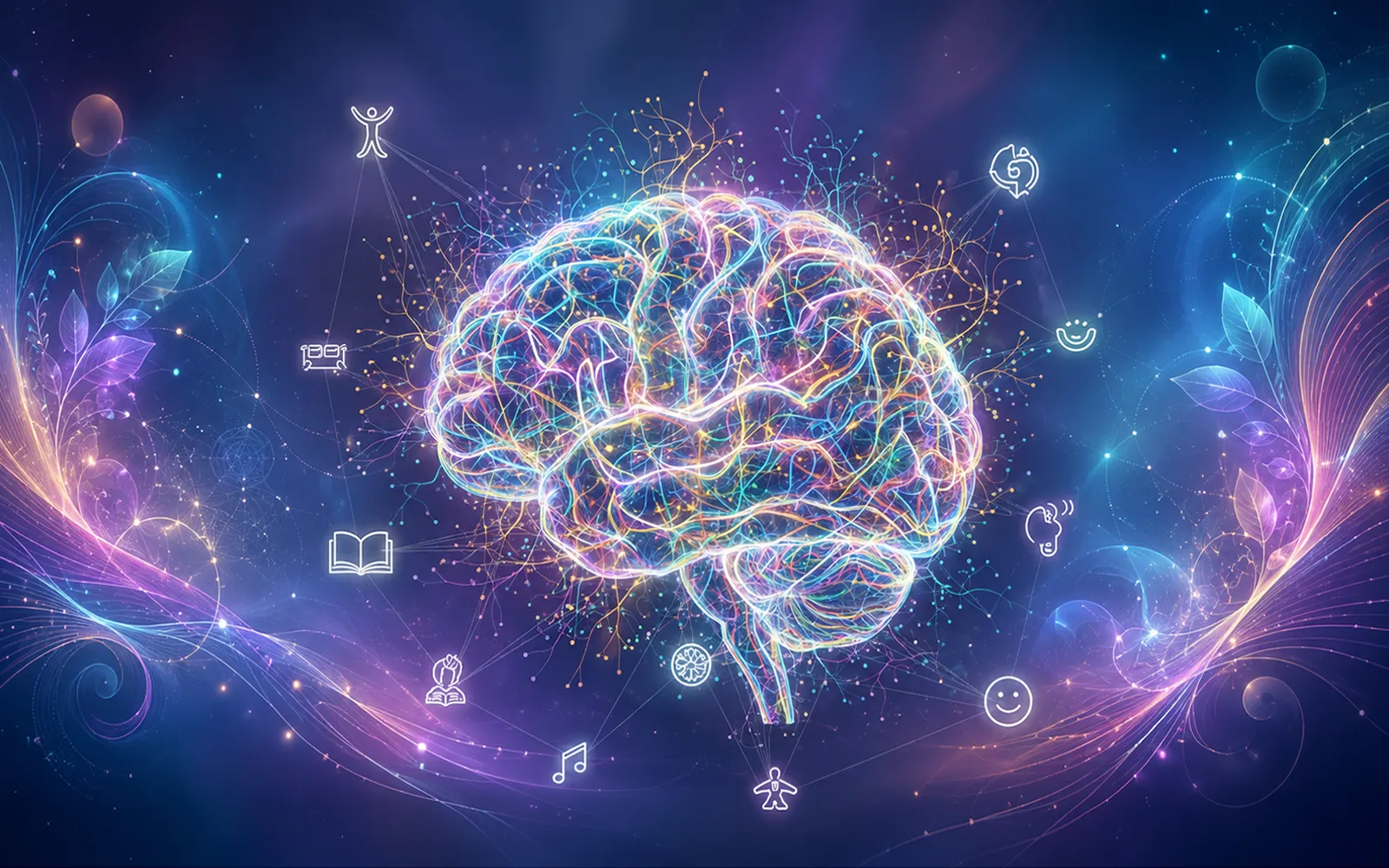
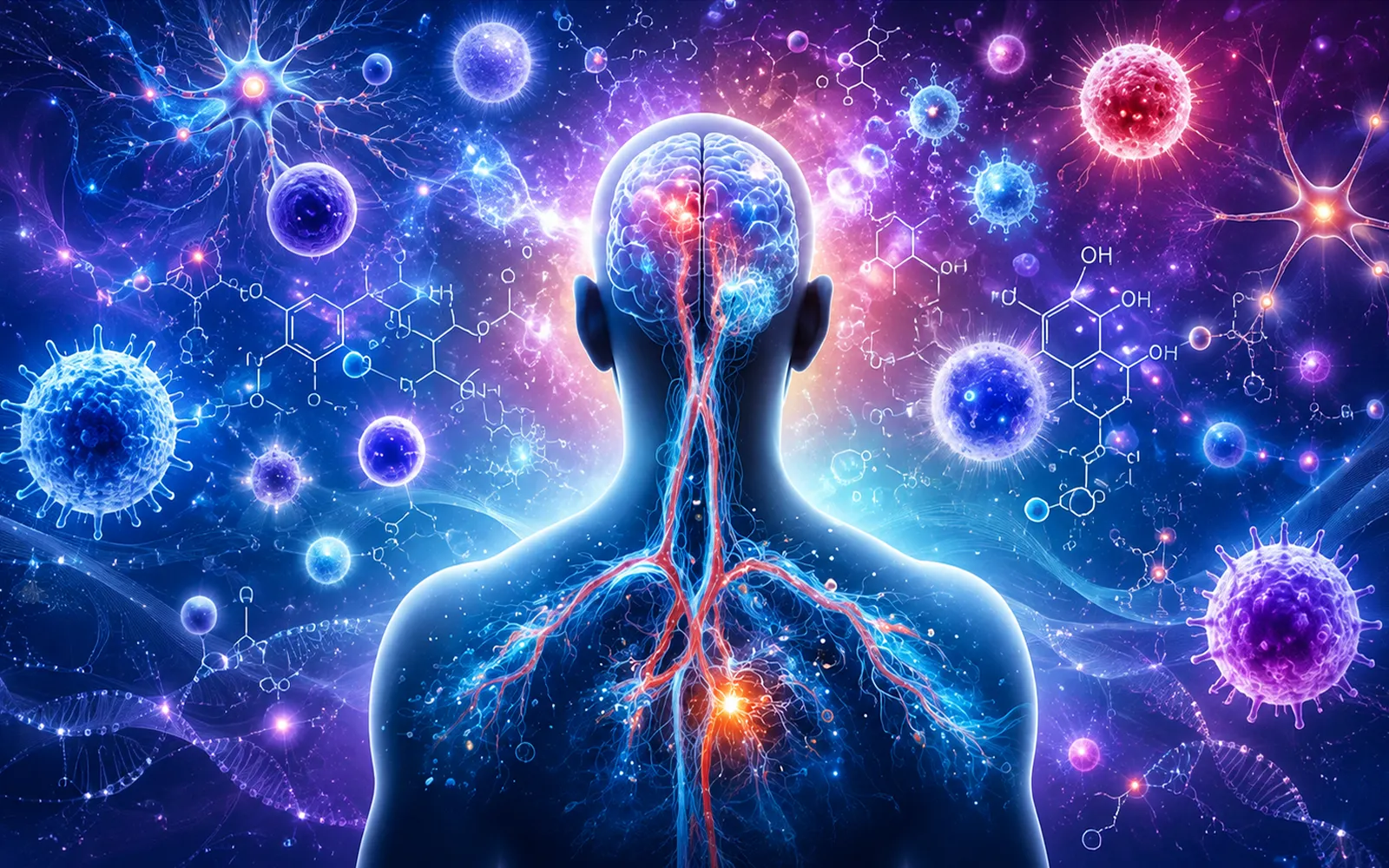
That evolving perspective is closely aligned with the philosophy of Mind Body Works: the mind and body are deeply interconnected, and lasting well-being is shaped by many parts of life working together.
Ancient Foundations of Whole-Person Thinking
Long before the modern wellness movement had a name, ancient cultures were developing systems of thought that viewed health in relation to the whole person.
Ayurveda and the Search for Balance
Ayurveda developed in ancient India and became one of the world’s oldest enduring systems of traditional medicine. Its historical philosophy emphasized balance among different aspects of life and considered nutrition, physical activity, daily routines, mental state, and other lifestyle factors as interconnected.
Yoga and meditation also developed within South Asian traditions and eventually spread far beyond their cultures of origin. Today, many people practice forms of yoga and meditation for movement, relaxation, attention, stress management, and self-awareness. Pasted markdown
While modern scientific evaluation does not support every traditional medical claim associated with ancient systems, the broader idea that daily habits and mental and physical well-being can influence one another continues to resonate strongly.
Traditional Chinese Approaches to Health
Traditional Chinese Medicine also developed over many centuries, incorporating ideas about balance, lifestyle, movement, diet, and the relationship between different aspects of the body.
Practices historically associated with these traditions include acupuncture, herbal medicine, tai chi, and qigong. Some have since become widely practiced around the world, and individual approaches continue to be studied scientifically for specific health applications. Pasted markdown
The lasting historical contribution is broader than any one treatment: health was often viewed as something influenced by the way a person lives, moves, rests, eats, and interacts with the surrounding world.
Greece, Rome and the Importance of Lifestyle
Ancient Greek medicine also helped advance the idea that health could be influenced by observable factors rather than explained entirely through supernatural causes. Writings associated with the Hippocratic tradition considered diet, environment, activity, and lifestyle when thinking about health and disease.
Ancient Rome added another important dimension: public health. Aqueducts, sanitation systems, baths, water infrastructure, and other civic measures demonstrated that the health of individuals could also be influenced by the environments and communities in which they lived. Pasted markdown
These were early expressions of ideas that remain important today: prevention matters, environment matters, and everyday living can influence health.
From “Wellness” as a Word to Wellness as an Idea
The English word wellness has a much longer history than many people realize. Historical references cited by the Oxford English Dictionary place forms of the word in the 17th century, when it essentially described the state of being well—the counterpart to illness. Pasted markdown
Its modern meaning, however, would take centuries to develop.
During the 18th and 19th centuries, Europe and the United States experienced an extraordinary period of experimentation in medicine, philosophy, health reform, spirituality, nutrition, physical culture, and self-care.
Some movements from this period eventually became established professions; others remained outside mainstream medicine, and some claims did not withstand later scientific scrutiny. What they shared was growing interest in questions that sound surprisingly contemporary:
How much can lifestyle influence health? What roles do food and exercise play? How do mental and emotional states relate to physical well-being? Can healthier daily habits help prevent illness rather than simply respond to it?
The original history you provided identifies movements such as naturopathy, osteopathy, chiropractic, hydrotherapy, nutrition reform, and several mind-oriented philosophies as influential in shaping the later wellness movement. Pasted markdown
The Rise of Scientific Medicine
The late 19th and early 20th centuries brought profound advances in biology, microbiology, surgery, pharmacology, medical education, sanitation, and the scientific study of disease.
Medicine increasingly demanded evidence, standardized professional education, and scientifically testable explanations. This transformation produced enormous improvements in the ability to diagnose, prevent, and treat disease.
At the same time, a tension gradually emerged between two ways of thinking about health: one centered primarily on diagnosing and treating illness, and another asking how people could actively cultivate health and well-being before disease developed.
The modern wellness movement would eventually grow partly from the effort to reconnect those questions.
The Birth of Modern Wellness
The contemporary concept of wellness began taking recognizable form in the middle of the 20th century.
One of the most influential figures was physician Halbert L. Dunn, who developed the idea of “high-level wellness.” Rather than defining health simply as the absence of illness, Dunn envisioned wellness as a more dynamic process involving a person’s potential, environment, and way of living.
His ideas gained wider influence during the 1970s through figures including John Travis, Don Ardell, and Bill Hettler. They developed wellness centers, educational programs, assessment tools, conferences, and multidimensional models that helped establish wellness as a field in its own right. Pasted markdown
This represented an important change in perspective.
The central question was no longer only:
“What is wrong, and how do we treat it?”
It increasingly became:
“What helps people live well, function well, and continue developing their potential?”
That distinction continues to shape modern wellness.
Wellness Moves Into Everyday Life
From the 1980s onward, wellness expanded rapidly beyond small circles of physicians and health advocates.
Fitness centers became mainstream. Workplace wellness programs emerged. Nutrition and preventive-health education became more visible. Spas evolved beyond beauty services toward broader wellness experiences. Universities developed wellness programs. Books, magazines, television, and later digital media brought subjects such as exercise, stress management, healthy eating, personal development, and mind-body practices to increasingly large audiences. Pasted markdown
Healthcare institutions also began taking a more systematic interest in complementary practices.
One important milestone occurred within the U.S. National Institutes of Health. An Office of Alternative Medicine was established in the early 1990s; Congress subsequently authorized the National Center for Complementary and Alternative Medicine (NCCAM) in 1998. In 2014, it was renamed the National Center for Complementary and Integrative Health (NCCIH). NCCIH
That evolution in terminology is meaningful. Modern integrative health generally refers to bringing conventional and complementary approaches together in a coordinated manner rather than treating them as mutually exclusive systems. NCCIH
A Broader Definition of Health
Another important influence actually predates much of the modern wellness movement.
The Constitution of the World Health Organization, adopted in 1946 and entering into force in 1948, famously described health as involving physical, mental, and social well-being, rather than defining it solely as the absence of disease. World Health Organization
That broader conception helped articulate something that ancient traditions, public-health pioneers, behavioral researchers, and later wellness advocates had approached in different ways: human health has multiple dimensions.
Modern science has considerably deepened that understanding.
Today we know that physical activity affects cardiovascular health, muscles, metabolism, mood, and brain function. Sleep influences cognition, hormones, immune function, and emotional regulation. Nutrition affects numerous biological systems. Chronic stress involves both psychological and physiological processes. Social relationships can influence well-being. Habits accumulate over time. Environment affects behavior. Purpose, learning, and engagement can contribute to quality of life.
Wellness increasingly reflects these connections.
The 21st Century: From Wellness Trend to Whole-Person Health
During the 21st century, wellness moved from the cultural margins into everyday life. The original historical account describes this period as a tipping point, with wellness becoming embedded across fitness, food, travel, workplaces, healthcare, media, and consumer culture. Pasted markdown
But something more significant has happened alongside the growth of the wellness marketplace: scientific research has increasingly examined health through interconnected systems rather than isolated behaviors.
The NIH’s National Center for Complementary and Integrative Health has itself increasingly emphasized research into whole-person health—examining interconnected biological, behavioral, social, and environmental factors rather than looking only at individual symptoms or interventions. NCCIH
This does not mean that every idea marketed under the word wellness is scientifically established. Far from it. The enormous popularity of wellness has also created misinformation, exaggerated promises, passing trends, and commercial claims that deserve careful evaluation.
That makes credible wellness education more important, not less.
Where Wellness Is Going Next
The next chapter of wellness is likely to be defined not by one therapy, diet, device, or philosophy, but by a deeper understanding of how the many dimensions of human well-being interact.
Technology is giving people unprecedented access to information about movement, sleep, heart rate, stress-related signals, nutrition, and other aspects of daily life. Neuroscience continues to explore learning, behavior, emotion, and brain plasticity. Research on healthy aging is changing the way we think about strength and independence across the lifespan. Behavioral science is helping us understand why habits form—and why lasting change can be difficult.
At the same time, some of the simplest foundations of well-being remain remarkably familiar: movement, nourishing food, adequate sleep, meaningful relationships, opportunities to learn, effective ways of managing stress, and a sense of direction and purpose.
In that sense, the history of wellness has come full circle. Ancient cultures asked how people might live in greater balance. Modern science gives us increasingly sophisticated tools for examining that question.
The Mind Body Works Perspective
At Mind Body Works, we see wellness not as a destination or a collection of passing trends, but as an ongoing process of learning, understanding, and making informed choices that support the whole person.
We value the history that brought wellness to where it is today while recognizing that historical tradition and scientific evidence are not the same thing. Ancient practices can offer cultural insight and useful questions. Modern research can help us determine which approaches are supported, where uncertainty remains, and how knowledge should evolve as better evidence becomes available.
Our purpose is to bring those worlds together thoughtfully—not by accepting every old idea simply because it is traditional, and not by overlooking the enduring human wisdom that encouraged people to pay attention to movement, rest, nourishment, awareness, connection, and purposeful living.
For Mind Body Works, the future of wellness is about understanding the whole person: mind and body, science and experience, knowledge and action, health and personal growth.
The pursuit of well-being has traveled through civilizations, cultures, medical revolutions, social movements, and generations of discovery. Its language has changed dramatically along the way, but one question has remained:
How can we live healthier, fuller, and more meaningful lives?
That is a question worth continuing to explore.
Continue Your Wellness Journey
Well-being is shaped by many interconnected dimensions. Continue exploring the Mind Body Works Wellness Foundations to discover how each area can contribute to a healthier, more balanced, and fulfilling life.
Next Wellness Foundation:
Wellness Movement →