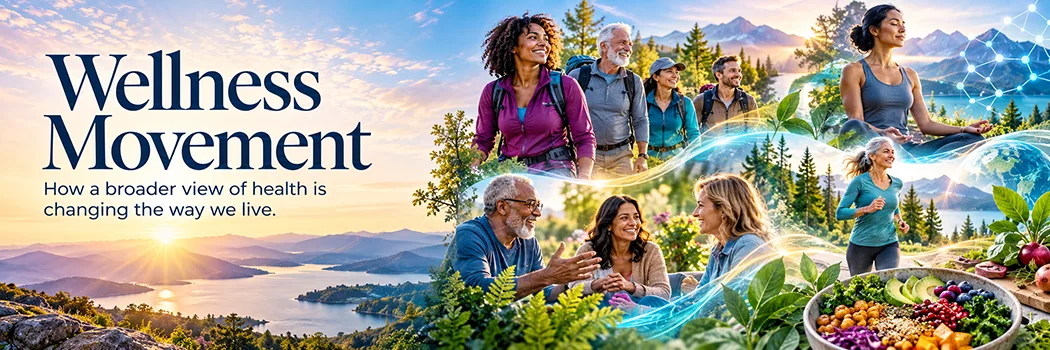
Wellness has become one of the defining ideas of modern health culture. What began as a relatively small movement emphasizing prevention, personal responsibility, lifestyle, and mind-body health has expanded into a global conversation about how people can live not only longer, but better.
That growth has also created legitimate concerns. The commercial wellness marketplace includes everything from evidence-based fitness and nutrition programs to products and treatments supported by little more than persuasive marketing. Celebrity endorsements, exaggerated health claims, expensive “quick fixes,” and wellness trends presented without adequate evidence have made critical thinking increasingly important.
Yet the commercial side of wellness should not be confused with the underlying idea.
At its best, wellness is not about buying more things. It is about understanding that health is multidimensional and that the choices, environments, relationships, behaviors, and opportunities that shape daily life can influence well-being across the lifespan.
That principle is increasingly compatible with the direction of modern health science. The U.S. National Center for Complementary and Integrative Health, for example, now emphasizes whole-person health, considering interconnected biological, behavioral, social, and environmental influences rather than focusing exclusively on individual organs or diseases. NCCIH
The wellness movement helped bring many of these ideas into everyday conversation—and its next chapter may depend on combining that broad vision with stronger evidence, greater accessibility, and a clearer understanding of what wellness can and cannot accomplish.
Wellness Has Become Much Bigger Than an Industry
There is no question that wellness has become an enormous economic force. The Global Wellness Institute estimates that the global wellness economy reached approximately $6.8 trillion in 2024, twice its size in 2013, and projects that it could approach $9.8 trillion by 2029. Global Wellness Institute
That scale creates opportunity, innovation, and greater access—but it can also create incentives to oversell products or turn ordinary aspects of healthy living into expensive commodities.
Market growth is therefore not evidence that a particular wellness product or therapy works.
The more important legacy of the wellness movement is cultural: millions of people now think about health in ways that extend beyond what happens when they become sick.
People increasingly ask questions such as:
- How well am I sleeping?
- Am I moving enough?
- How does stress affect the way I feel physically?
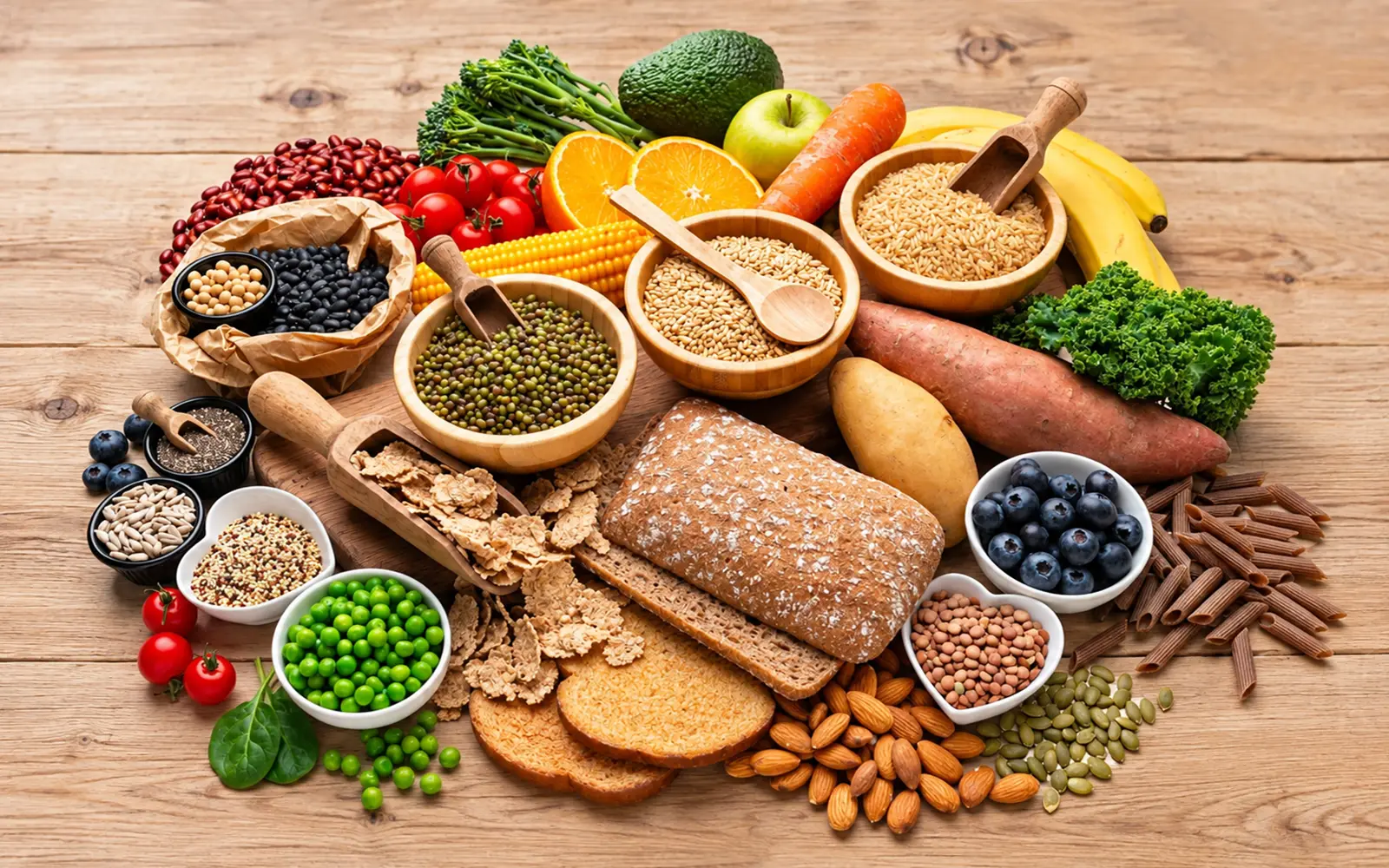
- What am I eating consistently—not just occasionally?
- Do I have meaningful relationships and social connection?
- Am I continuing to learn and challenge myself?
- Does my environment make healthy choices easier or harder?
- What gives my life purpose and direction?
Those questions represent a significant change in how health is understood.
1. Bringing Whole-Person Health Back Into Focus
The idea that health involves more than the absence of disease is not new. The World Health Organization’s founding Constitution, adopted in 1946, described health in terms of physical, mental, and social well-being, establishing a much broader conception than disease treatment alone. World Health Organization
The modern wellness movement helped bring that broader concept into everyday life.
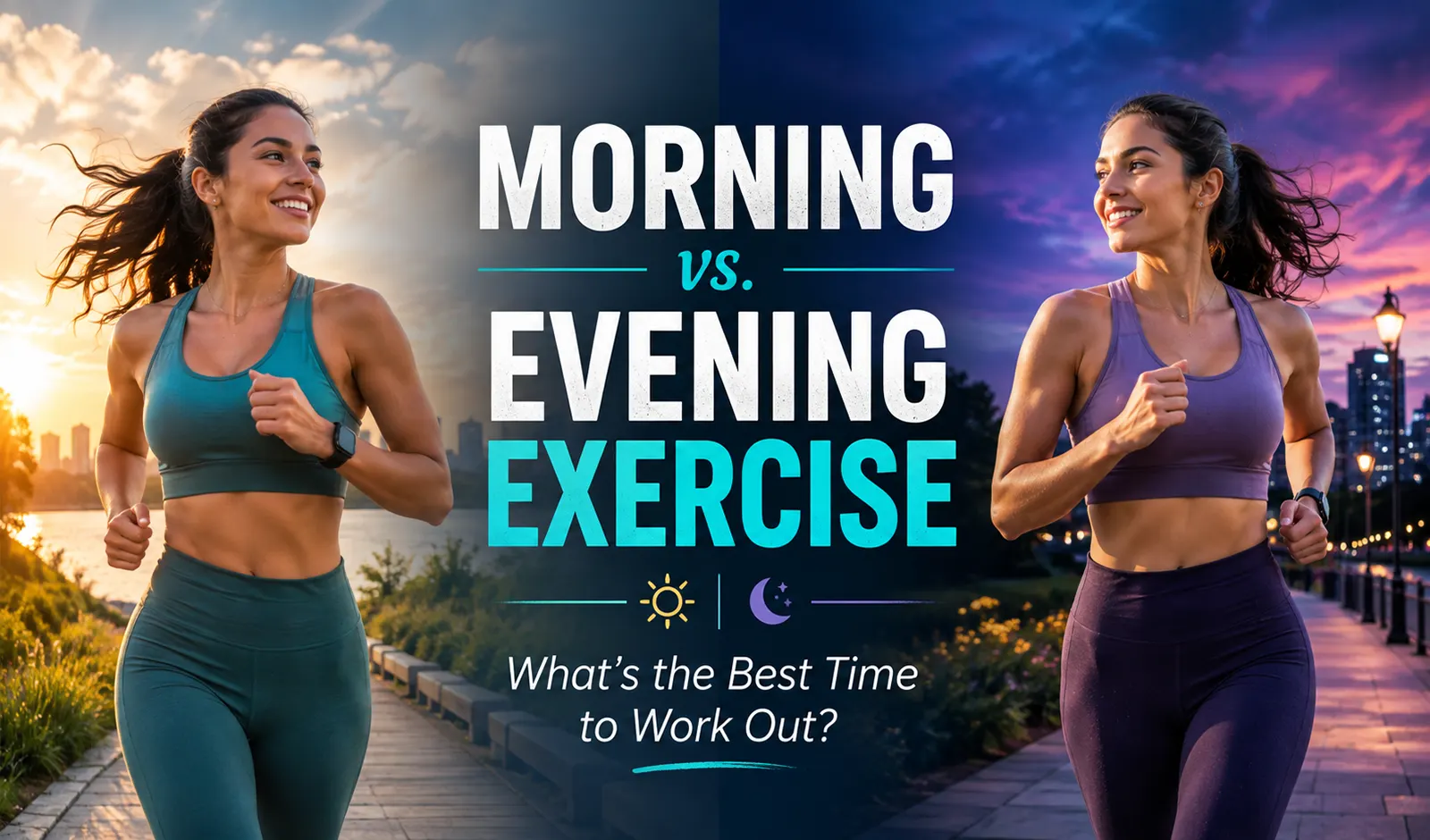
Exercise, for example, is no longer discussed solely in terms of weight or physical appearance. Regular physical activity has important cardiovascular, metabolic, musculoskeletal, brain, and mental-health benefits; WHO notes that it can help prevent and manage several noncommunicable diseases while reducing symptoms of depression and anxiety and supporting overall well-being. World Health Organization
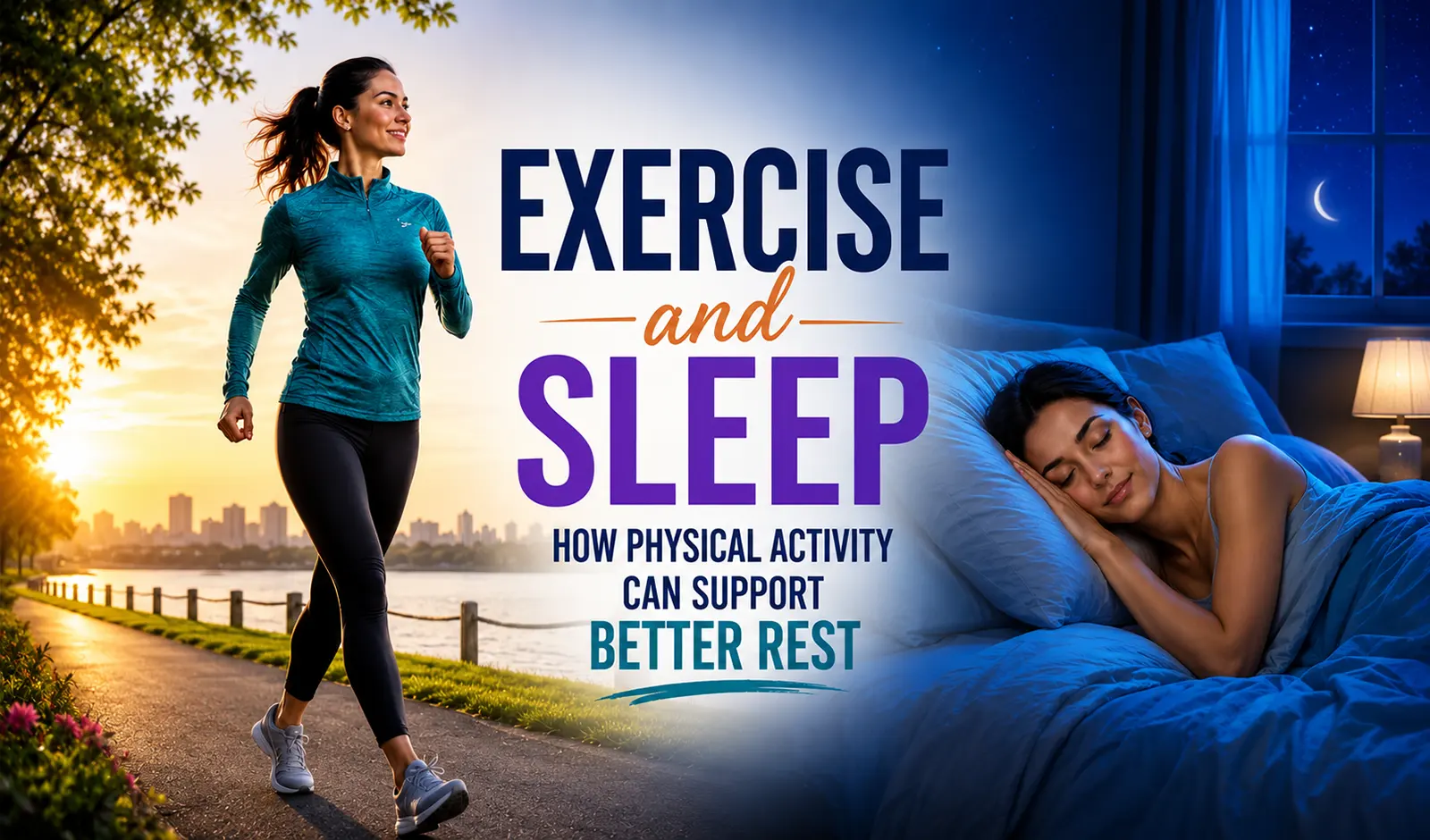
Similarly, sleep is increasingly understood as a biological necessity rather than simply time spent away from productive activity. Stress is recognized as both a mental and physical experience. Nutrition is connected with metabolic and long-term health. Social relationships can affect emotional well-being. Movement, purpose, learning, environment, and daily habits can interact rather than operating independently.
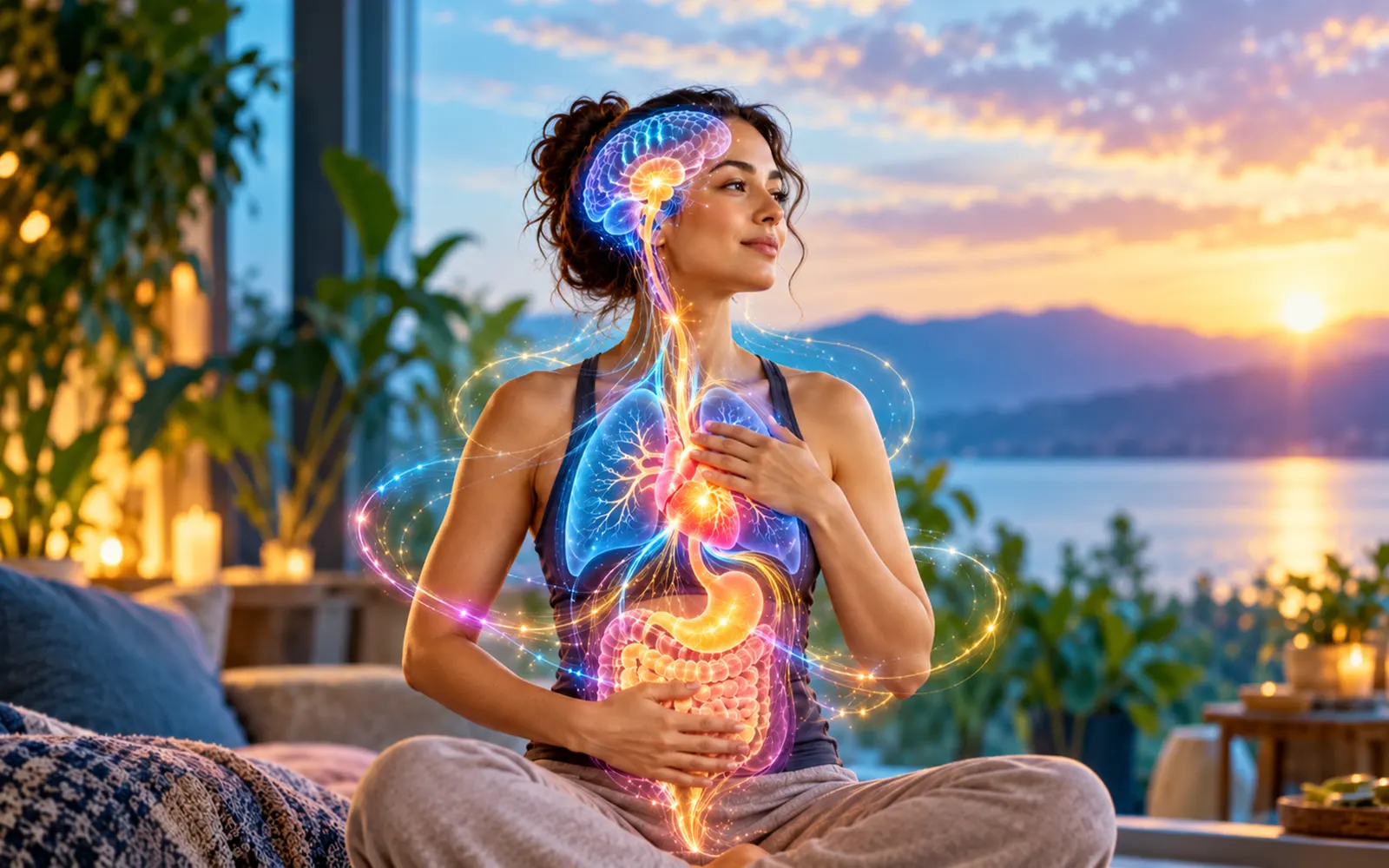
This interconnected perspective is central to the Mind Body Works philosophy.
The whole person matters.
2. Expanding Interest in Mind-Body and Traditional Practices
One of the more visible contributions of the wellness movement has been renewed interest in practices with long cultural histories.
Yoga, meditation, tai chi, acupuncture, breathing practices, and other traditional or mind-body approaches were once frequently placed outside mainstream health discussions in Western societies. Today, many are practiced widely, and researchers continue studying where particular approaches may have useful applications.
This does not mean that every traditional claim has been scientifically validated. Ancient origin is not proof of effectiveness, just as modern technology is not proof of effectiveness.
The more constructive development is that traditional and complementary practices are increasingly being subjected to the same questions we should ask of other health interventions: Is it safe? Does it work for the purpose being claimed? For whom? Under what conditions? How strong is the evidence?
That evolution is now visible at the international level. In 2025, the World Health Assembly adopted the WHO Global Traditional Medicine Strategy 2025–2034, which emphasizes stronger research evidence, safety and regulation, appropriate integration into health systems, and respect for cultural knowledge and biodiversity. World Health Organization
That is an important maturation of the conversation.
Rather than automatically accepting or dismissing traditional practices, the question becomes whether they can be evaluated responsibly and, where supported, used appropriately.
3. Giving People a More Active Role in Their Well-Being
Another contribution of the wellness movement has been the idea of personal agency.
People no longer expect every aspect of health to happen inside a clinic. They use walking programs, fitness classes, meditation apps, sleep trackers, nutrition education, community programs, home exercise, wearable technology, online learning, and countless other tools to participate more actively in their own well-being.
That can be empowering.
It also requires perspective.
Personal responsibility does not mean that every health outcome is under individual control. Genetics, illness, disability, income, neighborhood conditions, healthcare access, food availability, education, working conditions, environmental exposures, and many other forces can shape what choices are realistically available.
Wellness works best when personal agency is combined with supportive environments, rather than when individuals are blamed for circumstances they cannot easily change.
4. Helping Bring Mental Well-Being Into Everyday Conversation
Perhaps one of the most important cultural developments associated with the broader wellness movement has been the increasing willingness to discuss mental and emotional well-being openly.
Stress management, resilience, mindfulness, emotional regulation, social connection, loneliness, purpose, and psychological well-being are now routinely included in conversations about health.
This shift matters because mental-health needs remain enormous. WHO reported in 2025 that more than one billion people worldwide live with a mental-health condition, while significant gaps in access to appropriate care persist. World Health Organization
A wellness perspective can help normalize discussions about taking care of mental well-being before someone reaches a crisis.
But an important boundary remains.
Meditation, movement, sleep, meaningful relationships, relaxation, and other wellness practices may support mental well-being, but they are not substitutes for appropriate professional treatment when someone has a mental-health disorder requiring care.
The most constructive contribution of wellness is therefore not replacing mental healthcare. It is helping create a culture where mental well-being is treated as a normal and essential part of human health.
5. Strengthening the Focus on Prevention
Modern healthcare is extraordinarily effective at diagnosing and treating many illnesses. Preventive medicine is also an important part of established healthcare.
Yet large health systems inevitably devote substantial resources to treating disease after it has appeared.
The wellness movement has helped keep another question in public view:
What can we do before illness develops?
Prevention can involve medical screening, vaccination, risk-factor management, early diagnosis, healthier behaviors, safer environments, public-health measures, and social policies that make healthy living more attainable.
WHO continues to identify tobacco use, harmful alcohol use, unhealthy diets, physical inactivity, and air pollution among the major modifiable risk factors contributing to noncommunicable diseases. World Health Organization
The opportunity is therefore broader than simply persuading people to “take better care of themselves.”
Prevention can happen at multiple levels:
Individuals can develop healthier routines.
Healthcare professionals can identify risks earlier and support behavior change.
Communities can create environments that encourage activity, social connection, and access to nutritious food.
Public policy can reduce harmful exposures and address conditions that make good health harder to achieve.
Wellness becomes more meaningful when all of these levels work together.
6. Moving From “Me” to “We”
Early popular wellness culture often centered almost entirely on personal optimization: my diet, my exercise, my meditation, my body, my performance.
The conversation is becoming broader.
WHO’s 2025 World Report on Social Determinants of Health Equity emphasizes that the conditions in which people are born, grow, live, work, and age—and their access to money, power, education, housing, employment, and other resources—have profound effects on health outcomes. WHO reports that these social determinants can outweigh genetics or healthcare access in shaping health differences between populations. World Health Organization
That changes the wellness conversation.
It encourages us to ask not only:
“What can I do to become healthier?”
but also:
“What kind of communities make health possible?”
A neighborhood without safe places to walk creates a different wellness environment from one with parks and sidewalks. A household without reliable access to nutritious food faces different choices from one surrounded by affordable options. Social isolation, unsafe housing, polluted air, financial insecurity, and inadequate access to healthcare cannot be solved with a wellness app.
The growing recognition of these realities represents an important evolution from personal wellness toward community well-being.
7. Connecting Human Health With the Environment
The same expansion is occurring in the relationship between wellness and the natural world.
People increasingly recognize that clean air, safe water, access to nature, walkable environments, adequate housing, climate conditions, and healthy communities influence the ability to live well.
The WHO’s current approach to traditional and integrative medicine even explicitly includes sustainability and biodiversity among the issues that need consideration as these practices are studied and integrated. World Health Organization
This broader perspective challenges the idea that wellness is something people purchase individually.
Personal well-being ultimately depends on environments that can sustain it.
8. Encouraging Innovation—While Raising the Standard for Evidence
The wellness movement has created fertile ground for innovation.
Wearable devices can track physical activity and physiological signals. Digital platforms can make meditation, exercise, health education, and behavior-change programs available to people who might otherwise have limited access. Virtual events can connect experts with audiences around the world. New research is examining relationships among the brain, behavior, sleep, stress, exercise, nutrition, aging, and social health.
The opportunity is enormous.
So is the responsibility.
The future of credible wellness cannot depend on novelty alone. New products, technologies, supplements, therapies, and health claims need appropriate evidence.
Consumers increasingly need to distinguish between:
- an interesting idea and an established conclusion,
- a personal testimonial and controlled research,
- an association and a cause,
- a promising preliminary study and replicated evidence,
- a wellness practice that complements healthcare and one being promoted as a replacement for necessary treatment.
That distinction is precisely why evidence literacy belongs within wellness education.
The Wellness Movement Is Growing Up
The most interesting development may be that wellness itself is becoming more sophisticated.
The early language of wellness often revolved around self-improvement and lifestyle choices. Today’s conversation increasingly includes whole-person health, mental well-being, healthy aging, prevention, resilience, social determinants, environmental health, health equity, technology, scientific evidence, and community well-being.
That does not eliminate questionable products or exaggerated claims. A $6.8 trillion marketplace inevitably contains both meaningful innovation and marketing excess. Global Wellness Institute
But commercialization does not erase the underlying value of the movement.
At its best, wellness has helped remind society of several important ideas:
Health involves more than treating disease.
The mind and body influence one another.
Daily habits accumulate over time.
Prevention deserves attention alongside treatment.
Mental well-being belongs within the health conversation.
People benefit from participating actively in their own well-being.
Scientific evidence should guide health claims.
And no individual can be fully separated from the community and environment in which they live.
Where the Wellness Movement Goes Next
The next stage of wellness should not be about adding more products to an already crowded marketplace.
It should be about improving the quality of the conversation.
That means making credible wellness information easier to understand. It means testing promising approaches rather than simply promoting them. It means making healthy choices more accessible rather than presenting wellness as a luxury. It means respecting traditional knowledge while evaluating health claims with modern evidence. And it means recognizing that individual health, community health, and environmental conditions are interconnected.
Most importantly, it means moving beyond the search for a perfect diet, therapy, device, routine, or formula.
Human well-being is more complex—and more interesting—than that.
The Mind Body Works Perspective
At Mind Body Works, we see the wellness movement as part of a larger evolution in how people understand health and human potential.
Our interest is not in promoting every idea labeled wellness. It is in exploring the approaches, behaviors, discoveries, and practices that can help people understand themselves more clearly and live healthier, more purposeful lives.
That requires curiosity without gullibility, evidence without unnecessary complexity, and optimism without exaggerated promises.
We believe wellness is most meaningful when knowledge becomes practical: when someone understands why movement matters and begins walking more; learns about sleep and creates better nighttime habits; understands stress and develops healthier ways to respond; discovers mindfulness and becomes more attentive to everyday life; or recognizes that personal well-being is strengthened by connection, community, learning, and purpose.
The wellness movement has helped expand the health conversation.
Its most valuable contribution may ultimately be helping us recognize that health is not simply something we seek when something goes wrong.
It is something we can understand, support, and cultivate throughout life.
Continue Your Wellness Journey
Well-being is shaped by many interconnected dimensions. Continue exploring the Mind Body Works Wellness Foundations to discover how each area can contribute to a healthier, more balanced, and fulfilling life.
Next Wellness Foundation:
Wellness Evidence →