

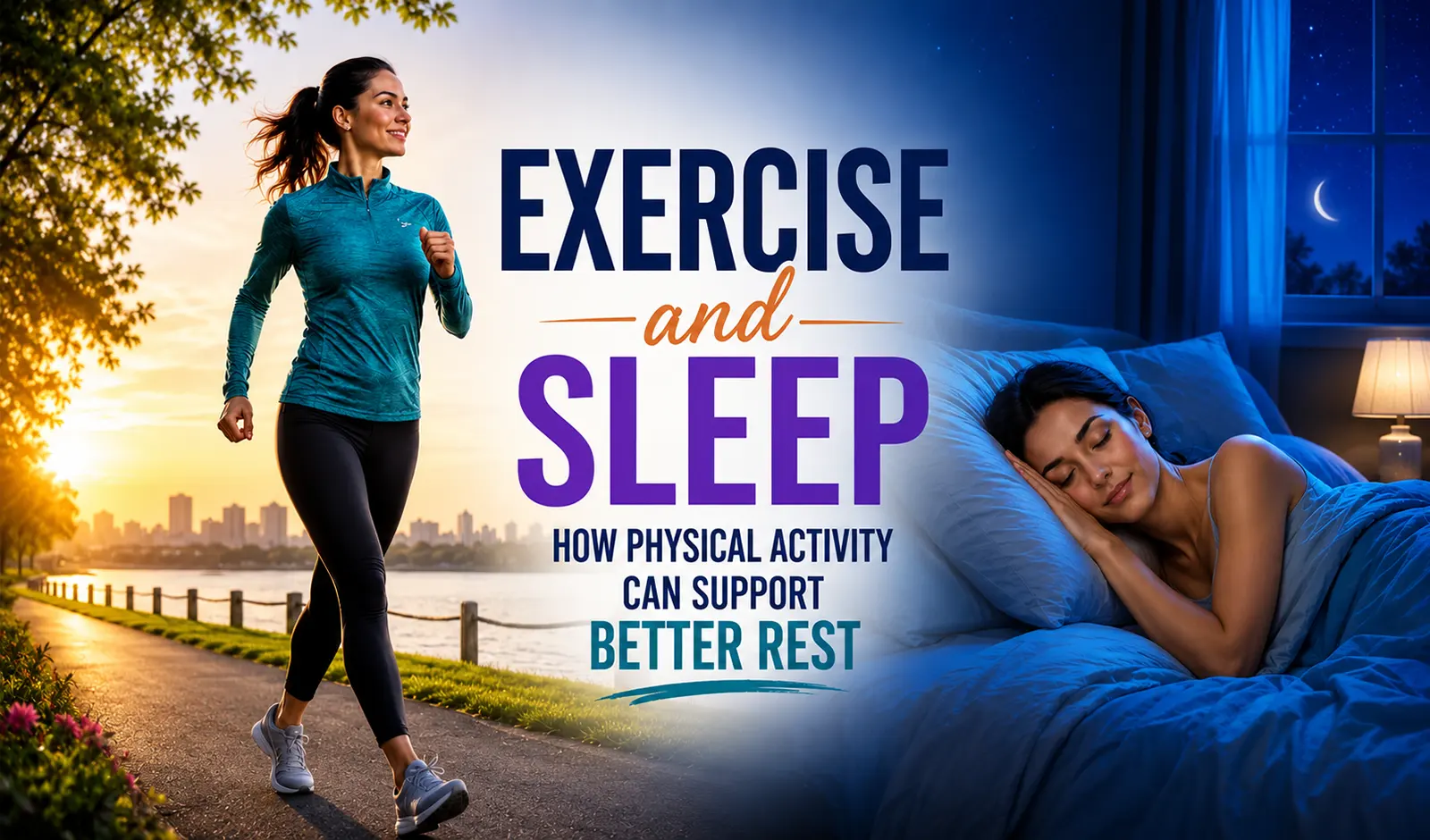














Some healthy habits require planning, equipment, preparation, or significant changes to daily life. Walking requires very little. Step outside, choose a direction, and begin moving.
That simplicity can make walking easy to underestimate. Yet a regular walking habit brings together several elements of healthy living at once: physical activity, cardiovascular stimulation, time away from prolonged sitting, mental decompression, and—when we walk outdoors—exposure to daylight and the surrounding environment. A walk can also become social time, reflective time, or simply a transition between one part of the day and another.
Walking does not need to become an intense workout to be worthwhile. The larger opportunity is to make movement a natural part of daily life and allow the benefits to accumulate over months and years.
Walking Is One of the Most Accessible Healthy Habits
Many people know they should exercise more but struggle with the practical barriers involved. Time is limited, gyms may be inconvenient, strenuous exercise can feel intimidating, and complicated programs are difficult to sustain.
Walking solves many of these problems simply because it is already familiar. It can happen around the neighborhood, during a lunch break, after dinner, while traveling, at a park, inside a shopping center, or on a treadmill when outdoor conditions are unsuitable.
This accessibility matters because consistency is one of the most important ingredients in any healthy habit. A modest activity repeated regularly can become more meaningful than an ambitious routine performed occasionally.
Current CDC guidance emphasizes that some physical activity is better than none and that adults benefit from moving more and sitting less. Brisk walking also counts toward the recommended 150 minutes of moderate-intensity physical activity per week.
“Walking proves that exercise does not need to be complicated to be powerful—one step becomes thousands, and thousands of steps can become a lifelong fitness habit.”
Pull Quote
Your Heart Benefits Every Time You Get Moving
Walking increases the body’s demand for oxygen and energy. As pace increases, the heart beats faster and circulation rises to deliver oxygen-rich blood to working muscles.
Repeated regularly, physical activity can help reduce the risk of heart disease and stroke while supporting healthier blood pressure and cholesterol levels. The CDC notes that even a single session of moderate-to-vigorous activity can temporarily lower blood pressure, while regular activity provides broader cardiovascular benefits over time.
The encouraging part is that cardiovascular activity does not need to look dramatic. For many people, simply developing the habit of walking briskly enough to noticeably increase breathing can provide a meaningful addition to daily life.
Walking Supports Metabolic Health
Movement also changes what happens inside the body after we eat and throughout the day. Working muscles use glucose for energy, and physical activity improves the body’s ability to regulate blood sugar and respond to insulin.
Regular physical activity is associated with a lower risk of developing type 2 diabetes and metabolic syndrome. These benefits can begin even before someone reaches the full recommended 150 minutes of weekly moderate activity.
Walking can be particularly useful because it fits naturally around meals. A systematic review and meta-analysis found that exercise performed after eating—often walking in the included research—reduced post-meal glucose excursions more effectively than exercising before eating or remaining inactive. The available trials were relatively small, so this should not be viewed as a treatment prescription, but it suggests that a walk after a meal can be a practical way to combine everyday movement with metabolic health.
A Post-Meal Walk Can Become a Simple Ritual
Healthy habits often become easier when they are attached to something that already happens every day.
Meals provide a natural anchor. Rather than sitting immediately after dinner, taking a short walk can turn the end of a meal into the beginning of a movement habit.
This does not have to mean an exhausting power walk. Depending on your health and fitness level, a comfortable ten- or twenty-minute stroll may be enough to create a pleasant transition from eating to the rest of the evening.
A post-meal walking ritual can also replace behaviors that tend to extend sedentary time, such as immediately moving from the dining table to the sofa or another screen.
Walking Helps Counter a Sedentary Lifestyle
Modern life has reduced the amount of movement required for many ordinary activities. We can work, shop, communicate, bank, watch entertainment, and even order meals without walking very far at all.
As a result, someone can complete a formal workout and still spend most of the day sitting.
Walking provides an easy way to distribute activity across waking hours. A short morning walk, several minutes during lunch, and another walk after dinner can collectively transform the movement pattern of an otherwise sedentary day.
The objective is not to become constantly active. It is to avoid allowing long stretches of sitting to become the default condition from morning until bedtime.
Walking creates movement where modern life has quietly removed it.
You Don’t Need 10,000 Steps for Walking to Matter
Few health targets have become as culturally familiar as 10,000 steps per day. It can be motivating, but it should not be interpreted as a biological dividing line between healthy and unhealthy days.
A major 2025 systematic review and dose-response meta-analysis evaluated 57 studies from 35 cohorts. Compared with 2,000 daily steps, approximately 7,000 steps per day was associated with substantially lower risks across several outcomes, including all-cause mortality, cardiovascular disease, dementia, depressive symptoms, type 2 diabetes, and falls. For several outcomes, the relationship began improving well before 7,000 steps.
Because much of the step-count evidence is observational, these findings show associations rather than proving that a particular number of steps directly causes a particular health outcome. Even so, they provide a useful practical message:
There is no magic step count. Moving meaningfully above your current level is what matters most.
Use Step Counts as Feedback, Not Judgment
A step counter can be useful if it encourages movement, but the number should serve you rather than control you.
If you currently average 3,000 steps, reaching 4,000 or 5,000 is progress. If you already walk 7,000 or 8,000 steps regularly, you may decide that your current amount suits you perfectly.
A daily step goal works best when it becomes a gentle prompt to move—not a reason to feel that an otherwise healthy day somehow failed.
Walking Can Support Your Mood
Many people instinctively go for a walk when they need to clear their minds. Research suggests there is substance behind that experience.
A 2024 systematic review and meta-analysis of 75 randomized controlled trials involving more than 8,600 participants found that walking interventions reduced symptoms of depression and anxiety compared with inactive control conditions. Benefits appeared across different walking frequencies, durations, locations, and whether people walked individually or in groups.
This does not mean walking should replace professional care for depression or anxiety. Mental health conditions can require individualized treatment. But walking can be one supportive lifestyle tool among many.
The value may arise from several experiences occurring simultaneously: physical movement, a change of surroundings, temporary distance from stressful tasks, and a break from continuous screen exposure.
A Walk Gives Your Mind Somewhere Else to Go
Not every mental benefit needs to be measured clinically to be meaningful.
Daily life can involve long periods of concentrated attention—emails, meetings, news, notifications, problem-solving, household responsibilities, and endless small decisions. Even leisure time is increasingly spent looking at screens.
Walking changes the sensory environment. The eyes look farther away. The body moves rhythmically. Scenery changes. Attention can expand beyond whatever problem occupied the previous hour.
For some people, walking becomes thinking time. For others, it becomes a period when they intentionally stop thinking about work altogether.
Both can be valuable.
Sometimes a walk does not solve the problem. It simply gives the mind enough space to return to it differently.
Walking Supports Brain Health Too
Movement affects more than mood. Regular physical activity is also associated with cognitive health across the lifespan.
The CDC notes that physical activity can support thinking, learning, memory, problem-solving, and emotional balance. Regular activity is also associated with a reduced risk of cognitive decline and dementia, although the mechanisms involved are complex and continue to be investigated.
The 2025 daily-step meta-analysis found that approximately 7,000 daily steps was associated with a lower risk of dementia compared with very low step counts. Again, observational evidence cannot establish that walking itself prevents dementia, but the broader relationship between physical activity and brain health is increasingly well supported.
This gives walking an appealing dual role: while the feet are moving through the environment, the brain is coordinating movement, balance, navigation, attention, and sensory information.
Walking Can Help Support Better Sleep
A daily walking habit may also help the transition from active daytime hours into nighttime rest.
The CDC identifies improved sleep quality as one of the immediate benefits associated with physical activity. Regular activity can also help establish a healthier contrast between periods of daytime movement and nighttime recovery.
Walking outdoors may add another helpful element: natural light. Daylight is one of the environmental signals involved in regulating circadian rhythms, which influence when we feel alert and when the body begins preparing for sleep.
The CDC specifically recommends getting natural light earlier in the day and even suggests a morning or lunchtime walk as one way to combine daylight exposure with activity.
That makes a daytime walk an unusually efficient healthy habit: movement and light exposure can happen at the same time.
Morning Walks Can Set the Tone for the Day
There is nothing magical about walking in the morning, and people should choose a schedule that fits their lives. Still, morning walks offer several practical advantages.
They can provide daylight exposure early in the day, establish movement before other responsibilities accumulate, and create a calm transition into work or household activities. For someone who struggles to find exercise time later, finishing a walk early can also eliminate the need to negotiate with a busy evening schedule.
A morning routine might be as simple as ten or fifteen minutes around the neighborhood. The value comes less from the exact duration than from giving the day a predictable movement anchor.
Evening Walks Offer a Different Kind of Benefit
Evening walks have their own appeal.
After a day filled with work, errands, conversations, and screens, walking can create a transition between daytime demands and the quieter part of the evening. A comfortable walk after dinner may combine physical activity with decompression and time away from indoor distractions.
For couples or families, it can also become a social routine. Conversations that feel difficult to schedule during the day may happen naturally while walking together.
The best time to walk is therefore not determined by a universal rule. The best time is often the one that allows walking to become part of your life consistently.
Walking With Other People Adds Another Dimension
Walking does not need to be solitary.
A walk with a spouse, friend, family member, neighbor, or walking group can combine two health-supportive behaviors: movement and social connection.
The CDC recognizes walking groups and buddy systems as ways to help people begin and maintain physical activity. It also notes that supportive social connections are associated with better health and well-being and that walking and fitness programs may help enhance social connection.
This can transform a healthy habit into something people look forward to. Instead of scheduling a meeting over coffee or sitting indoors to catch up, friends might occasionally talk while walking.
The conversation provides the motivation; the movement becomes a bonus.
Walking Alone Has Its Own Value
At the same time, solitude can be equally restorative.
A solo walk can create a rare period when no one is asking anything of you. There may be no emails to answer, tasks to complete, or conversation to maintain.
Some people listen to music, podcasts, or audiobooks. Others prefer to hear the surrounding environment. Either approach can work, but occasionally walking without additional media may provide something increasingly scarce: unstructured mental space.
Healthy living is not simply about adding more stimulation. Sometimes it involves creating room for less.
Walking Outdoors Connects Movement With Environment
Walking indoors is still valuable physical activity, but being outside can change the experience.
Natural light, changing weather, trees, neighborhood activity, open space, and seasonal variation provide sensory input that does not exist on a treadmill. Outdoor walking can make exercise feel less like a designated health task and more like participation in the surrounding world.
This distinction can matter for adherence. If a person enjoys parks, waterfronts, city streets, or neighborhood routes, walking becomes something intrinsically rewarding rather than something performed only because it is “good for you.”
The healthiest habit is often the one that gives us a reason to return to it.
Walking Helps Maintain Everyday Physical Function
Walking is also one of the fundamental abilities that supports independence throughout life.
Every step requires coordination among the feet, ankles, knees, hips, trunk, nervous system, vision, and balance mechanisms. Continuing to walk regularly gives these systems repeated practice working together.
For adults 65 and older, the CDC identifies regular physical activity with benefits including greater independent living, better bone health, improved balance and coordination, and a lower risk of falls.
Walking alone cannot provide every physical ability required for healthy aging, particularly muscular strength. But maintaining the habit of locomotion—continuing to go places under our own power—is an important piece of preserving independence.
Walking and Strength Training Belong Together
Because walking is so beneficial, it can be tempting to treat it as the only exercise anyone needs.
For a complete physical-activity routine, that is usually too narrow.
Walking provides excellent opportunities for aerobic activity, daily movement, and muscular endurance. Strength training provides a more direct stimulus for maintaining muscle, strength, and bone-loading capacity.
Current guidelines recommend that adults combine aerobic activity with muscle-strengthening exercise on at least two days each week.
From a Healthy Living perspective, these activities complement rather than compete with one another. Walking keeps movement woven into everyday life, while strength training helps preserve the physical capacity that makes continued movement possible.
Make Walking Part of Something You Already Do
Willpower is not always the best way to establish a new habit. Routine often works better.
Walking becomes easier to maintain when it is attached to an existing part of the day.
You might:
- Walk after breakfast before beginning work.
- Take a lunchtime walk instead of spending the entire break seated.
- Walk after dinner as a transition into the evening.
- Walk while making certain phone calls when practical.
- Park slightly farther away during routine errands.
- Walk with a friend instead of always meeting while seated.
- Take a short walk between demanding tasks as a mental reset.
- Explore a park or neighborhood on weekends rather than treating every walk as exercise.
These small choices help walking become integrated into life rather than added on top of it.
Start With the Life You Have Now
A walking habit does not need to begin with a perfect plan or impressive target.
If you are currently inactive, even ten minutes may be a meaningful starting point. The CDC encourages people who have not been active to begin with manageable amounts and gradually increase activity over time.
Someone else may already walk regularly and want to increase the habit by adding another outing, choosing longer routes, or occasionally walking at a brisker pace.
Progress should be relative to the individual.
The goal is not to imitate someone else’s step count. It is to create a sustainable increase in your own movement.
Let Different Walks Serve Different Purposes
Not every walk needs to feel like exercise.
Some walks can be brisk enough to raise your heart rate. Others can be leisurely and social. A short post-meal walk may support movement after eating, while a longer weekend walk might provide recreation and time outdoors.
You can think of walking as having several possible roles:
- Exercise when the pace becomes brisk and purposeful
- Recovery between harder workouts
- Transportation for nearby errands
- Social time with another person
- Mental space during a stressful day
- Daylight exposure during morning or midday hours
- A break from sitting during work
- A transition ritual after meals or at the end of the day
This flexibility is one of walking’s greatest strengths.
Don’t Let Tracking Take Over the Experience
Technology can make walking more motivating. Phones and watches can measure steps, distance, pace, elevation, heart rate, and streaks.
For some people, these numbers provide useful accountability. For others, they gradually turn an enjoyable habit into another performance metric.
It is perfectly reasonable to track your steps if you find the information helpful. It is equally reasonable to leave the phone in your pocket and simply walk.
Health is ultimately created by the movement itself, not by whether every step appears on a dashboard.
Consistency Matters More Than an Occasional Perfect Day
One very long walk on Saturday can be enjoyable, but healthy living is shaped primarily by what happens repeatedly.
A fifteen-minute walk performed most days creates a different lifestyle from a two-hour walk performed once every few weeks. The shorter habit continually interrupts sedentary time and keeps movement connected to ordinary life.
That does not mean you must walk every single day. Weather, illness, travel, schedules, and other activities will occasionally interfere.
The goal is not an unbroken streak.
It is establishing a pattern strong enough that when life interrupts it, walking remains something you naturally return to.
A Daily Walk Can Become More Than Exercise
Perhaps the greatest strength of walking is that it does not need to remain confined to the idea of exercise.
A walk can become the time when you think clearly about a problem. It can become twenty minutes spent with someone you care about. It can be the part of the day when you notice the season changing, get away from screens, or simply experience the neighborhood instead of passing through it in a car.
At the same time, the body is moving. The heart is working. Muscles are contracting. Energy is being used. The brain is coordinating every step.
This combination makes walking unusually compatible with Healthy Living because it does not ask us to separate health from the rest of life.
It allows health to happen while life is happening.
One of the Simplest Habits May Be One of the Most Sustainable
Healthy living is rarely built from one dramatic decision. More often, it develops from ordinary behaviors repeated often enough that they become part of who we are.
Walking fits that model beautifully.
You do not need to reach exactly 10,000 steps. You do not need to turn every walk into a workout or measure every mile. You do not need perfect weather, expensive equipment, or exceptional athletic ability.
You simply need opportunities to move—and a willingness to use them.
A morning walk can provide daylight and movement. A lunchtime walk can interrupt sitting. A post-dinner walk can support a calmer transition into the evening. A walk with a friend can strengthen both physical activity and social connection.
Individually, these moments may seem small. Repeated across years, they can represent thousands of hours spent moving rather than sitting.
That is the quiet power of a daily walking habit: it makes movement part of life instead of something we continually have to find time for.
Disclaimer
This article is intended for general educational purposes and is not a substitute for individualized medical or exercise advice. Walking is appropriate for many people, but those with cardiovascular disease, significant balance or mobility limitations, persistent pain, or other medical conditions should consult an appropriate healthcare professional regarding the type and amount of physical activity suitable for them.