








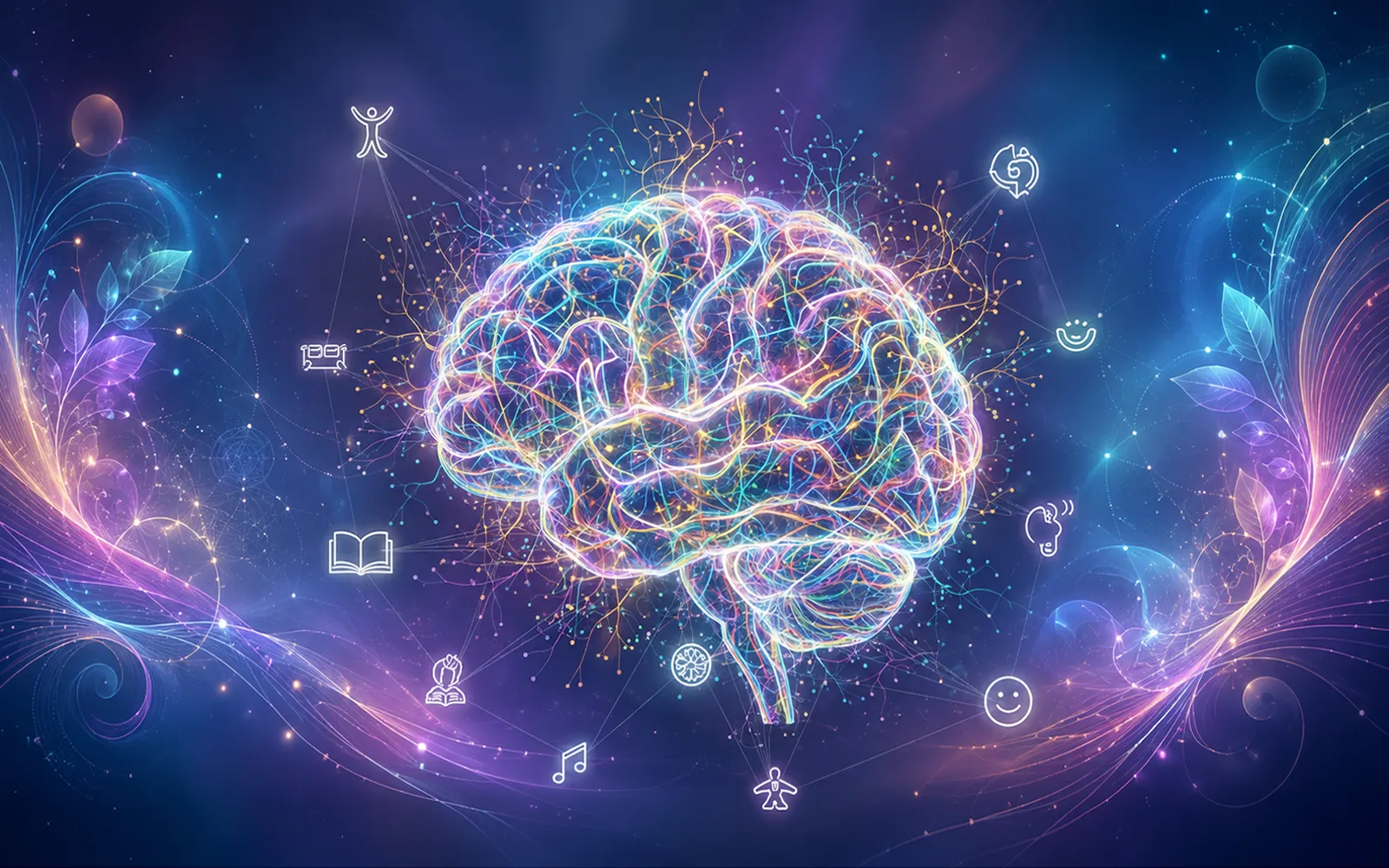

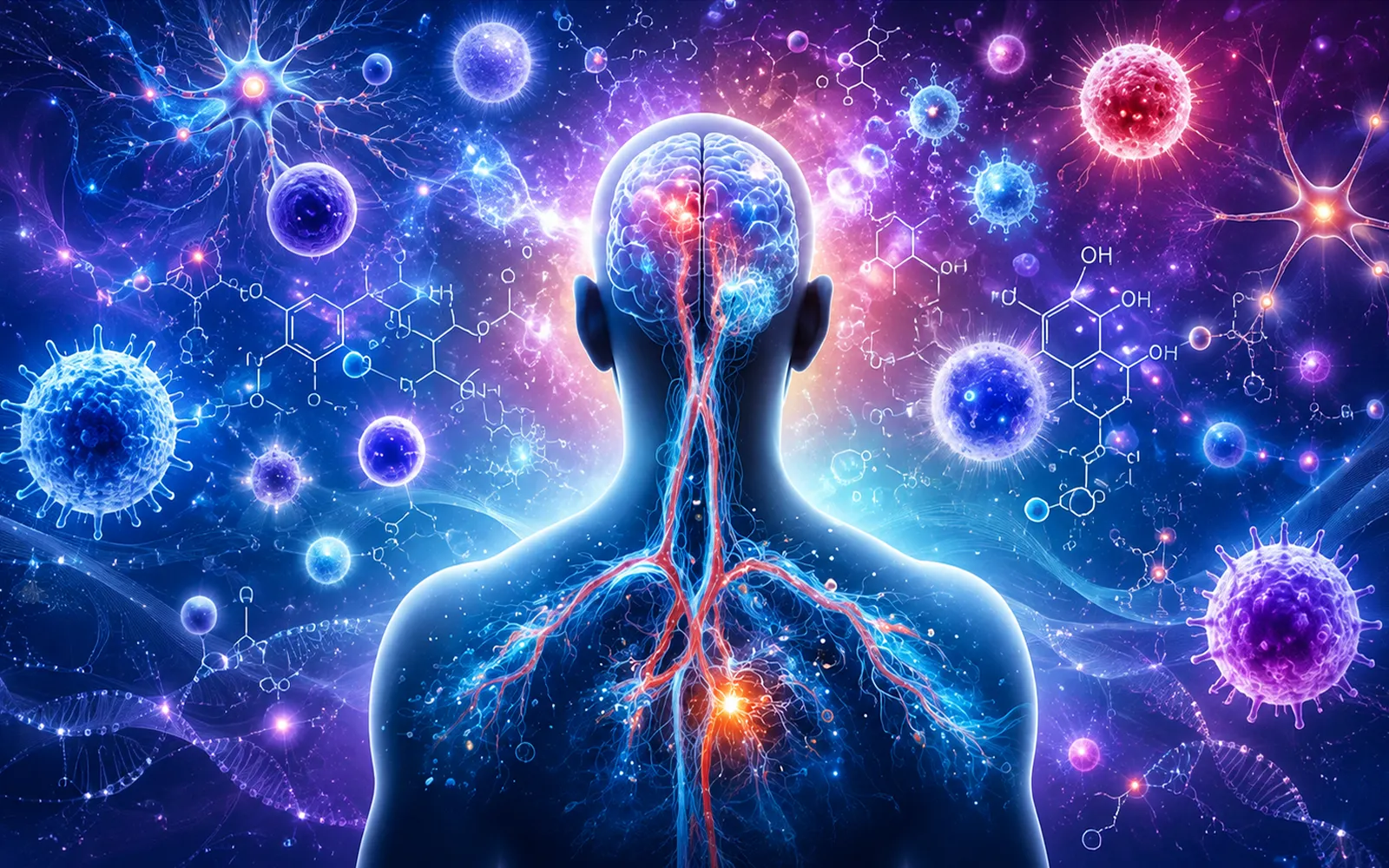







Can the mind influence biological healing processes in ways we do not yet fully understand? This is a question that sits at the intersection of mind-body medicine, neuroscience, biology, and some of the more intriguing frontiers of healing research.
For more than four decades, William F. Bengston, PhD, has explored that question through an unconventional practice now known as the Bengston Healing Method. At the center of the method is a rapid mental technique called Image Cycling, combined with hands-on or near-body healing in which the practitioner deliberately avoids concentrating intensely on the illness or trying to consciously direct the outcome.
What makes Bengston’s work particularly interesting today is that the research has moved beyond his original experiments. Investigators have studied cancer cells, animal tumor models, magnetic recordings associated with healing sessions, brain activity in practitioners, heart-rate variability, cellular calcium activity, and most recently pancreatic cancer growth and metastasis in laboratory studies. A 2026 peer-reviewed study involving researchers at The University of Texas MD Anderson Cancer Center specifically used the Bengston Energy Healing Method as its standardized biofield-therapy protocol.
The question is no longer simply “What is the Bengston Method?”
A more fascinating question has emerged:
What may actually be happening when the method is practiced?
The Origins of the Bengston Healing Method
William Bengston’s investigation into healing began in the 1970s after he encountered an individual who appeared to demonstrate unusual healing abilities. Bengston approached the subject through the perspective of a researcher, gradually attempting to determine whether the reported effects could be observed experimentally and, importantly, whether the process could be learned by other people.
That second question eventually became central to his work. Rather than viewing healing as a rare gift possessed by a special individual, Bengston developed a trainable mental practice called Image Cycling and began teaching it to people without previous healing experience. His official description of the method emphasizes that the technique is intended to be largely mechanical and does not require adherence to a particular belief system.
Bengston’s early laboratory work eventually involved experimental cancer models in mice. Those experiments became the foundation for a research program that has continued to evolve toward increasingly sophisticated questions about cells, physiology, electromagnetic signals, brain activity, and possible mechanisms.
The Core of the Method: Image Cycling
Image Cycling is the feature that most clearly distinguishes the Bengston Method from other forms of meditation, visualization, prayer, or energy-oriented practice.
The process begins by creating approximately 20 specific mental images representing personal desires or future experiences. According to Bengston’s instructions, the images should represent concrete outcomes that could actually be recognized if they occurred, rather than broad ideas such as simply wanting to be happy or healthy.
For example, someone might create mental images representing:
- Visiting a particular destination
- Completing an important personal project
- Learning a musical instrument or another skill
- Celebrating an achievement
- Spending meaningful time with people they care about
- Experiencing a specific personal goal as already fulfilled
The practitioner rehearses these images until they can be recalled easily. The images are then cycled through progressively faster until they begin moving through awareness almost like a rapid mental slideshow.
This is where the technique becomes very different from traditional visualization.
From Visualization to Automaticity
Most visualization practices encourage sustained attention on a single image. Image Cycling instead trains the practitioner to move through many images at increasing speed.
With enough practice, Bengston describes the cycling as becoming increasingly automatic—something that can continue in the background while the person performs ordinary activities. His own comparison is similar to learning to ride a bicycle: something that initially requires concentrated effort can eventually become almost effortless.
That transition from deliberate effort to automatic mental activity appears to be one of the central ideas behind the method.
The practitioner first trains intensely—and then learns to stop consciously controlling the process.
Why Are the Images Cycled So Quickly?
This is one of the features that separates the Bengston Method from conventional visualization. Most visualization techniques encourage a person to concentrate deeply on a single desired outcome.
Image Cycling eventually does almost the opposite.
Once the images have been created and memorized, the practitioner repeatedly cycles through them faster and faster until conscious attention can no longer focus extensively on any individual picture.
The goal is for the process to become increasingly automatic. Bengston has compared this development to learning other complex abilities.
When a person first learns to drive, every action requires deliberate attention. The driver thinks about the steering wheel, mirrors, accelerator, brake, traffic signs, and surrounding vehicles.
After sufficient practice, many of those processes occur automatically in the background.
The same thing happens when learning to play a musical instrument. At first, every note may require concentration. Eventually, experienced musicians can perform familiar movements without consciously directing every finger.
Image Cycling is intended to develop a similar automatic quality.
“The Bengston Method invites us to consider the possibility that consciousness, biology, and healing may interact through processes that science is only beginning to learn how to measure.”


Why the Images Are Not About the Illness
One of the most unusual aspects of the Bengston Method is what the practitioner is not instructed to do.
During a healing session, the person does not continually visualize a tumor disappearing, mentally repeat commands to heal, or concentrate intensely on changing the recipient’s body. Instead, the practitioner continues rapidly cycling through personal images that may have nothing whatsoever to do with the condition being addressed.
This principle has also appeared in modern laboratory research. In a 2024 Scientific Reports study using an experienced Bengston Method practitioner, the researchers described Image Cycling as rapidly cycling through mental images of personal desires or outcomes. They also noted that the practitioner did not use a concentrated treatment intention toward the target, but instead attempted to “get out of the way.”
That creates an intriguing paradox at the heart of the method:
the practitioner develops the technique through practice, but the healing session itself emphasizes less conscious control rather than more.
What Happens During a Bengston Healing Session?
In a typical experimental setting, the practitioner positions the hands near the person, animal, cell culture, or experimental target while maintaining Image Cycling. Physical contact may occur in some circumstances, but direct touch is not fundamental to the process.
The essential elements can be summarized as:
- Rapid Image Cycling continues in the background.
- The hands are positioned on or near the target.
- The practitioner avoids forceful concentration on the illness.
- The process is allowed to occur without consciously directing a particular biological outcome.
In the 2024 Scientific Reports investigation, the practitioner worked approximately 12 inches from pancreatic cancer cells during a series of controlled treatment sessions while researchers simultaneously recorded his EEG and cardiovascular activity.
This ability to separate the practitioner from the biological target has allowed researchers to study the method in ways that go far beyond subjective reports of relaxation or personal experience.
What Happens in the Practitioner’s Brain and Body?
One of the most interesting recent directions in Bengston-related research has been the attempt to measure what happens physiologically inside the practitioner during a healing session.
A 2024 study published in Scientific Reports followed an experienced Bengston Method practitioner through 60 treatment and control sessions under double-blind conditions. Researchers continuously measured 64-channel EEG activity and heart-rate parameters while the practitioner worked with living pancreatic cancer cells and control materials.
The researchers observed significant changes in the practitioner’s EEG activity across multiple frequency bands, along with changes in heart-rate variability during treatment periods. They also detected differences in beta and gamma brain activity under particular experimental conditions.
This provides an important clue about Image Cycling: the technique appears capable of placing an experienced practitioner into a measurable physiological state.
The practice is therefore not simply a conceptual exercise. Something measurable is occurring in brain and autonomic activity while the practitioner performs it.
An Unexpected Connection Between Practitioner and Cells
The same 2024 experiment also monitored biological activity within pancreatic cancer cells.
Researchers measured intracellular calcium activity and structural components of the cells while simultaneously recording the practitioner’s physiological signals. They reported differences in calcium uptake between treatment and sham conditions and identified statistical relationships between the practitioner’s EEG activity and cellular measurements.
The researchers used an analytical technique known as Granger causality to examine directional relationships within the data. Their analysis identified bidirectional associations between EEG measurements and cellular metrics, particularly involving intracellular calcium and elements of the cellular cytoskeleton.
Rather than treating the practitioner and biological target as two completely independent systems, this line of research raises the possibility that healing experiments may involve a more complex interaction between them.
And that possibility has led researchers to investigate the relationship even more directly.
A 2026 Study Recorded Humans and Mice at the Same Time
In 2026, researchers published another unusual experiment examining simultaneous electrophysiological activity in a biofield practitioner and laboratory mice.
The study included treatment and control sessions conducted under double-blind conditions while scientists recorded 64-channel EEG signals from the human participants as well as EEG and muscle activity from mice. Researchers reported robust changes in the experienced practitioner’s EEG during treatment periods and an increase in theta-band coherence in the mice associated with the experimental condition.
This type of research represents an important evolution in the investigation.
Rather than asking only whether a biological target changes after a session, scientists can now record both sides of the interaction simultaneously and look for measurable relationships between them.
That opens an entirely different set of questions about physiological coordination, signaling, and interaction between living systems.
The Cancer Research That Started the Conversation
The Bengston Method first attracted wider research interest because of experiments involving laboratory cancer models.
In the original published experiments conducted by Bengston and David Krinsley, mice with transplanted mammary adenocarcinoma received healing sessions. The investigators reported an unusual progression in which tumors developed and then regressed in many of the experimental animals, with additional experiments involving inexperienced volunteers trained in the method.
Subsequent work expanded beyond simply observing tumor size. Researchers began examining gene expression, immune responses, cellular activity, and other biological changes associated with exposure to the Bengston Method.
A 2018 study reported transcriptional changes in cancer cells following Bengston-method exposure, adding molecular measurements to a field that had originally focused primarily on tumor outcomes.
That transition—from observing an effect to searching for cellular mechanisms—has become increasingly important in the newer research.
The 2026 MD Anderson Pancreatic Cancer Research
One of the most significant developments came in April 2026, when researchers affiliated with The University of Texas MD Anderson Cancer Center published a peer-reviewed study in Cancer Medicine examining pancreatic cancer cells and animal models.
The study specifically identified the treatment protocol as the Bengston Energy Healing Method and used three practitioners following a standardized procedure. Researchers studied multiple human and mouse pancreatic ductal adenocarcinoma cell lines and conducted experiments in animal tumor models.
Several biological changes were reported.
Cancer Cell Growth and Division
Across multiple pancreatic cancer cell lines, exposure to the biofield-therapy protocol was associated with reduced cellular proliferation compared with sham and incubator controls. Researchers also observed changes in the cell cycle, including increased arrest in the G1 phase in several human pancreatic cancer cell lines.
This is significant because the cell cycle determines whether a cell continues progressing toward division. Slowing that process provides researchers with one possible biological pathway through which the observed effects may be occurring.
Changes in Mitochondria and Cellular Electrical Activity
Researchers also observed changes in mitochondria—the structures responsible for much of the cell’s energy production—and measured alterations in cellular voltage potential.
In PANC-1 pancreatic cancer cells, the treatment condition produced a reported 36.7 percent reduction in measured cell-voltage potential, with similar effects observed in other pancreatic cancer cell lines.
Bioelectric activity has become an increasingly important area of cellular biology because electrical properties influence cell behavior, communication, proliferation, and development.
The Bengston-related findings therefore introduce another intriguing possibility: whatever is happening during the experimental exposure may involve cellular regulation at several levels simultaneously.
FOXM1 and Cancer Invasiveness
The researchers also identified changes involving FOXM1, a regulatory protein associated with cell division and tumor progression.
Exposure was associated with reduced FOXM1 expression in pancreatic cancer cells, and researchers used genetic manipulation of FOXM1 to investigate its relationship with the observed effects. They also reported reduced invasiveness across several pancreatic cancer cell lines.
This moves the investigation beyond the general question of whether cells grow more slowly and toward something more specific:
Which molecular pathways are changing when the Bengston Method is applied?
Tumor Growth and Liver Metastasis
The research then extended from isolated cells into living animal models.
Using orthotopic models in which pancreatic cancer cells were implanted into the pancreas, the researchers reported reductions in primary tumor growth and liver metastasis in the treatment conditions. The authors concluded that the findings supported the potential for the biofield protocol to influence pancreatic cancer growth and metastatic processes and warranted continued investigation.
The importance of this research is not simply that another biological effect was reported.
It is that researchers are increasingly moving from observation toward mechanism—examining cell division, mitochondria, electrical properties, molecular regulators, invasion, and metastasis within the same research program.
Can the Bengston Healing Effect Be Recorded?
Another unusual line of Bengston research asks a question that sounds almost futuristic:
Can something associated with a healing session be recorded and replayed?
Researchers have measured magnetic signals occurring during Bengston Method sessions and subsequently exposed laboratory animals to recordings of those signals without requiring the original practitioner to be present.
A 2020 study exposed mice carrying 4T1 breast-cancer tumors to recorded magnetic signals derived from Bengston healing sessions. Researchers reported physiological and immune-related differences between experimental and control animals.
A subsequent 2023 study examined recorded signals across three different mouse cancer models. Biological effects differed among the models, with significant tumor suppression reported in one breast-cancer model, creating further questions about whether particular tissues, cancers, exposure patterns, or biological states respond differently.
The broader implication is fascinating.
If an aspect of the experimental interaction can eventually be measured, recorded, reproduced, and systematically varied, researchers may gain a much more powerful way of investigating what the underlying signal actually is.
So How Might the Bengston Method Work?
There is not yet one established mechanism that explains all of the observations, but current research is beginning to reveal several places worth looking.
The newer experiments suggest that the investigation may involve multiple interacting levels of biology rather than one simple pathway:
- Brain activity and neural oscillations in the practitioner
- Autonomic changes measured through heart-rate variability
- Cellular calcium signaling
- Cell-cycle regulation
- Mitochondrial structure and function
- Cellular electrical potential
- Gene and protein regulation, including FOXM1
- Immune and tumor-microenvironment responses
- Possible electromagnetic or other forms of biological signaling
The important development is that these are increasingly measurable variables.
Earlier discussions of healing often relied largely on reports of experience. Modern Bengston-related studies are asking what happens to EEG signals, calcium movement, cell proliferation, gene regulation, electrical potential, immune activity, and tumor behavior.
That creates a bridge between an unconventional observation and the tools of experimental biology.
Image Cycling May Be More Important Than It First Appears
At first glance, Image Cycling might seem like an unusual form of rapid visualization.
The emerging physiological work suggests that it may deserve closer attention as a distinctive mental state in its own right. The 2024 Scientific Reports study found measurable EEG and heart-rate changes while an experienced practitioner used the Bengston Method, and the researchers noted that much of the brain activity was consistent with the intense visual-processing component of the technique.
This raises a fascinating possibility.
Perhaps Image Cycling is not important because the individual pictures themselves contain some special healing message. Its role may instead be related to the state produced when rapid imagery becomes highly practiced and increasingly automatic.
That question connects the Bengston Method with broader areas of neuroscience concerned with attention, automaticity, mental imagery, neural synchronization, and altered patterns of brain activity.
A Method Built Around Practice Rather Than Belief
Another distinctive characteristic of the Bengston Method is its emphasis on training.
Image Cycling is presented as something that can be learned through repetition rather than something requiring a particular spiritual belief or rare ability. Bengston’s own description calls the technique largely mechanical and emphasizes practicing the images until they can cycle rapidly while the person remains engaged in ordinary activity.
The progression is straightforward:
- Identify specific personal desires or experiences.
- Convert each one into a recognizable mental image of completion.
- Memorize the images until recall becomes easy.
- Begin moving through them sequentially.
- Gradually increase the speed of Image Cycling.
- Practice until the sequence becomes increasingly automatic.
- Maintain the cycling while engaging in the hands-on or near-body practice.
This may be one of the reasons the Bengston Method lends itself to laboratory study.
The practitioner is not simply instructed to “send healing energy.” There is an identifiable mental procedure that can be practiced, repeated, observed, and increasingly paired with physiological measurement.
From Healing Mystery to Measurable Biology
The most interesting direction in Bengston research may ultimately be the movement from an unexplained healing phenomenon toward increasingly measurable biological questions.
The progression has been remarkable:
Tumor observations → cellular changes → gene expression → immune responses → recorded magnetic signals → EEG and heart-rate measurements → cellular electrical activity → molecular pathways → simultaneous recordings between practitioner and biological target.
Each step creates a more precise question.
What changes in the practitioner?
What changes in the target?
Do those changes occur at the same time?
Does the effect differ among tissues?
Can it be recorded?
Can specific cellular pathways be identified?
Can the process eventually be reproduced without requiring the original practitioner?
These are the kinds of questions that can gradually transform an unexplained observation into a research field.
Why the Bengston Method Remains So Fascinating
The significance of the Bengston Healing Method extends beyond whether researchers eventually identify a single phenomenon called “healing energy.”
The larger question is about communication within and between living systems.
Biology has repeatedly become more interconnected as science has advanced. The nervous system communicates with the immune system. Psychological stress influences hormones and inflammation. The microbiome communicates with the brain. Cells use chemical, electrical, and mechanical signals to coordinate behavior.
The possibility that additional forms of biological interaction remain to be characterized is therefore an intriguing scientific frontier.
The Bengston Method places an unusual observation directly inside that larger question:
How much do we truly understand about the relationship among consciousness, physiology, biological signaling, and healing?
The Takeaway
The William Bengston Healing Method is a distinctive approach built around rapid Image Cycling combined with hands-on or near-body interaction.
Its central practice differs from many conventional visualization techniques. Rather than concentrating on an illness or repeatedly imagining a healing outcome, practitioners create specific images of personally meaningful future experiences, memorize them, and learn to cycle through them with increasing speed until the process becomes largely automatic.
Research associated with the method has expanded considerably. Experimental studies have investigated:
- Tumor behavior in animal models
- Gene-expression changes in cancer cells
- Immune-related responses
- Recorded magnetic signals from healing sessions
- EEG and heart-rate changes in practitioners
- Relationships between practitioner physiology and cellular activity
- Pancreatic cancer cell proliferation and invasiveness
- Cell-cycle regulation and cellular voltage
- FOXM1 signaling
- Primary tumor growth and metastasis in animal models
- Simultaneous electrophysiological activity in practitioners and biological targets
The 2024 Scientific Reports work and the 2026 pancreatic-cancer research involving MD Anderson investigators represent an especially important progression because they move the field increasingly toward measurable physiology and potential biological mechanisms.
Perhaps that is where the Bengston Method becomes most interesting.
It began with an observation that was difficult to explain.
Today, scientists can measure brain waves, heart-rate variability, calcium activity, cellular voltage, gene regulation, cell division, mitochondrial changes, tumor growth, and electrophysiological relationships while the method is being performed.
The answers are still unfolding, but the questions have become far more sophisticated.
And sometimes that is how scientific discovery begins—not with certainty, but with an observation compelling enough to keep investigating.
The Bengston Method invites us to consider the possibility that consciousness, biology, and healing may interact through processes that science is only beginning to learn how to measure.
A Note on Perspective
It’s worth saying plainly: the Bengston Method sits within the broader field of energy healing, an area where mainstream science has not reached consensus. The animal studies — including the MD Anderson research — are genuinely striking, but preclinical mouse studies are not the same as large-scale, controlled human clinical trials, and results in humans are harder to measure and replicate. Bengston himself noted that the method did not appear to produce remission in patients who had already undergone chemotherapy or radiation, an important caveat. Most practitioners describe the method as a complement to conventional medical treatment, not a replacement for it.
That said, for those exploring the intersection of intention, energy, and wellbeing, the Bengston Method offers something genuinely rare in this space: a researcher who insisted his own work be tested, and a body of research that continues to invite serious scientific attention.
Final Thoughts
William Bengston passed away in April 2025 at age 75, after spending 40 years as a professor of statistics and research methods at St. Joseph’s University in New York, alongside his decades of healing research. Whatever your starting point — skeptic, believer, or simply curious — his story is a compelling reminder that curiosity and rigor don’t have to be at odds with wonder. His long effort to bring scientific scrutiny to something as old as human touch opened a door that researchers, practitioners, and curious newcomers continue to walk through today.
Medical Disclaimer
This article is provided for educational and informational purposes only and is not medical advice, diagnosis, or treatment. The Bengston Healing Method remains an experimental and investigational approach. Research discussed here includes laboratory cell studies and animal studies and should not be interpreted as evidence that the method has been established as a treatment or cure for cancer or another human disease. The mechanisms proposed for biofield or healing effects have not been established for clinical medical use. The Bengston Method should never be used to replace or delay appropriate medical evaluation, surgery, chemotherapy, radiation therapy, immunotherapy, medication, psychological treatment, or other care recommended by qualified healthcare professionals.
Recommended reading:
- Qigong and Tai Chi: Movement, Breath, and the Cultivation of Vital Energy
- Emotional Freedom Technique: A Mind-Body Approach to Emotional Healing
- Reiki Healing: Exploring the Power of Energy, Relaxation, and Mind-Body Balance
- Acupuncture & Acupressure: Ancient Healing Points for Modern Wellness
- Rewire Your Brain: The Science of Neuroplasticity and Lifelong Growth