













We often think of exercise as something we do for the body—to strengthen muscles, improve cardiovascular fitness, manage weight, or maintain mobility. But every time the body moves, the brain is participating too.
Physical activity changes circulation, metabolism, signaling molecules, nervous-system activity, and the communication between brain regions. These effects help explain why exercise can influence not only physical performance but also memory, attention, mood, learning, and executive function.
The relationship is increasingly supported by large-scale research. A 2025 umbrella review examining 133 systematic reviews, 2,724 randomized controlled trials, and more than 258,000 participants found that exercise significantly improved general cognition, memory, and executive function across a broad range of populations.
Exercise, in other words, is not simply training for the muscles. It is also training for the brain.
Your Brain Responds Every Time You Move
The brain is one of the most metabolically active organs in the body. It depends on a continuous supply of oxygen and nutrients, along with complex communication among billions of neurons.
During physical activity, heart rate and circulation increase to meet the body’s greater demand for oxygen and energy. Exercise also influences numerous chemical messengers and biological pathways involved in brain function, adaptation, and resilience.
Researchers continue to investigate exactly how these mechanisms interact, but several processes appear particularly important:
- Increased circulation and vascular support for the brain
- Changes in neurotransmitter systems involved in mood and attention
- Increased signaling involving neurotrophic factors that support neuronal function and plasticity
- Improved metabolic and cardiovascular health
- Regulation of stress-related physiological processes
- Better sleep, which itself supports memory and cognitive performance
Rather than functioning through one single “exercise molecule,” physical activity appears to create a whole-body biological environment that supports brain health.
“Every time we train the body, we are also giving the brain new signals to adapt, perform, and stay engaged with life.”
Exercise Supports Neuroplasticity
One of the brain’s most remarkable characteristics is neuroplasticity—its ability to modify connections and adapt in response to experience.
Learning a new skill, practicing an instrument, navigating an unfamiliar environment, or repeatedly solving a problem can alter neural networks. Physical activity also appears to influence biological processes involved in this adaptability.
One frequently studied factor is brain-derived neurotrophic factor, or BDNF, a protein involved in neuronal survival, synaptic plasticity, and learning-related processes. Exercise has been associated with changes in BDNF and other signaling pathways that may help create conditions favorable to brain adaptation.
This does not mean that every workout instantly “rewires” the brain in a dramatic way. The biology is far more complex. But repeated physical activity appears to provide the nervous system with signals that can help support its capacity to adapt.
That connection between movement and adaptability helps explain why exercise is increasingly viewed as part of a broader strategy for maintaining cognitive health throughout life.
Movement and Memory
Memory depends heavily on a network of brain structures, including the hippocampus, a region strongly involved in learning and the formation of new memories.
Exercise has attracted particular scientific interest because of its relationship with hippocampal function and other memory-related brain systems. Research reviewed by the National Institute on Aging has linked physical activity with brain processes involved in learning and memory, although scientists continue to investigate the precise extent to which exercise can protect against age-related cognitive decline.
The most recent large-scale evidence strengthens the overall picture. The 2025 umbrella review found measurable improvements in memory following exercise interventions across many different populations.
This suggests that movement may be especially valuable when combined with activities that challenge the brain intellectually.
Learning followed by movement—or building both physical activity and mentally stimulating experiences into everyday life—creates a lifestyle in which the body and brain are continuously being challenged to adapt.
Exercise Can Sharpen Executive Function
Some of the most important mental abilities are collectively known as executive functions. These include planning, organizing, shifting attention, controlling impulses, solving problems, and deciding what deserves our focus.
Executive function is involved whenever we organize a busy day, manage several responsibilities, make a complicated decision, or remain focused despite distractions.
Research supporting the U.S. Physical Activity Guidelines found evidence that physical activity can benefit cognitive abilities including executive function, processing speed, attention, and memory. Importantly, some cognitive effects can occur following individual bouts of exercise rather than requiring months of training.
That helps explain why a walk, workout, or bike ride can sometimes leave us feeling mentally refreshed.
The effect is not necessarily dramatic enough to transform every workout into an instant productivity tool. But movement can influence the physiological state in which the brain is attempting to think.
When concentration begins to fade after prolonged sitting, moving the body may sometimes be one of the simplest ways to re-engage the mind.
Exercise and Mood Are Closely Connected
The brain benefits of movement extend beyond memory and concentration. Physical activity also has a strong relationship with emotional well-being.
Exercise influences neurotransmitter systems and physiological responses associated with stress and mood. It can also provide psychological benefits through accomplishment, social interaction, time outdoors, improved physical capability, and a temporary break from repetitive thoughts or daily pressures.
The National Institute on Aging notes that physical activity can reduce feelings of anxiety and depression while supporting emotional well-being.
Research also suggests that even a single exercise session can improve aspects of mood. A 2024 meta-analysis examining more than 100 studies found beneficial affective responses following acute exercise, including changes in general mood, anxiety, and depressive symptoms.
For people experiencing clinical depression, the evidence is even more substantial. A major 2024 systematic review and network meta-analysis involving 218 studies found that several forms of exercise—including walking or jogging, strength training, yoga, and mixed aerobic activity—reduced depressive symptoms.
Exercise should not be reduced to the idea that we simply need to “work out to feel happy.” Mental health is far more complex. But regular movement is one of several powerful lifestyle factors capable of supporting the biological and psychological systems involved in emotional well-being.
Physical Activity Can Support Mental Energy
There is an interesting paradox surrounding exercise: using energy can sometimes leave us feeling as though we have more energy afterward.
Part of this effect reflects improved cardiovascular conditioning and metabolic efficiency over time. But exercise also changes alertness and nervous-system activity in the short term.
A moderate walk, cycling session, swim, or workout can provide a clear transition between periods of mental work. Instead of remaining sedentary for hours while concentration gradually declines, movement introduces a different physiological state.
This is why exercise does not always need to happen at the beginning or end of the day. Strategic movement during the day can become part of a broader cognitive-performance routine.
A brisk walk between demanding tasks, for example, may simultaneously provide physical activity, a mental reset, exposure to daylight, and relief from prolonged sitting.
Sometimes the most productive thing we can do for the brain is temporarily stop working and start moving.
Exercise, Stress and the Brain
Stress is not inherently harmful. The body is designed to respond to challenges. Problems can arise when stress becomes persistent and opportunities for recovery become limited.
Regular physical activity appears to help regulate several systems involved in the stress response. Exercise itself creates a temporary physiological challenge—heart rate rises, breathing accelerates, muscles work harder—but the body then returns toward its resting state.
Repeated exposure to manageable physical challenges may contribute to greater physiological resilience over time.
Exercise also provides something increasingly valuable in modern life: a period during which attention can shift away from screens, deadlines, notifications, and constant cognitive demands.
Walking, running, cycling, swimming, lifting weights, or practicing a movement discipline can create a structured interruption in the mental noise of the day.
The workout challenges the body while giving the mind a different kind of task.
Better Sleep Creates Another Brain Benefit
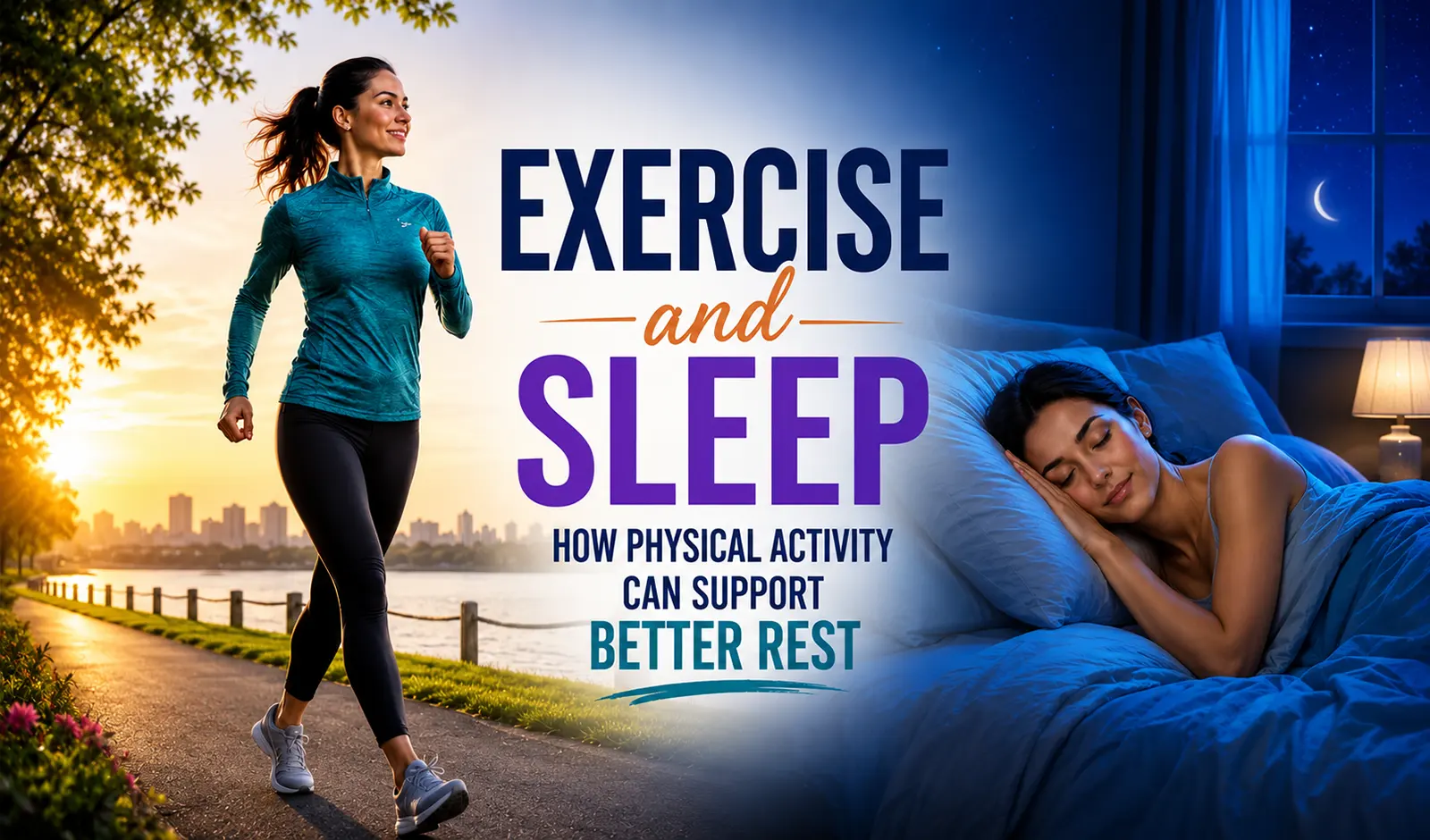
Exercise and brain health are also connected indirectly through sleep.
Sleep plays an essential role in learning, memory consolidation, emotional regulation, attention, and recovery. Insufficient or disrupted sleep can affect concentration and mental performance even after a single poor night.
Regular physical activity is associated with better sleep, and the National Institute on Aging includes improved sleep among the benefits that can accompany an active lifestyle.
This creates a beneficial cycle:
Movement can support better sleep, and better sleep can support better brain function.
Exercise therefore does not need to act directly on every cognitive process to benefit the brain. Some of its value comes from improving the cardiovascular, metabolic, emotional, and sleep-related conditions upon which healthy cognitive function depends.
Aerobic Exercise Has Particular Brain Benefits
Aerobic activities such as brisk walking, running, cycling, swimming, dancing, and hiking have historically received considerable attention in brain-health research.
There is a logical reason. Aerobic training challenges the cardiovascular system, and the brain depends heavily on healthy blood vessels and circulation.
Recent research also continues to explore relationships between cardiorespiratory fitness and brain structure. In 2025, the National Institute on Aging highlighted research finding an association between greater cardiovascular fitness and greater cerebral myelination—the insulation surrounding nerve fibers that helps neural signals travel efficiently—particularly beginning in midlife. Because the study was observational, it demonstrates an association rather than proving that exercise directly caused the differences.
This emerging research reinforces an important idea: what benefits the cardiovascular system can also matter greatly to the brain.
Strength Training Belongs in the Brain-Health Conversation Too
Brain fitness is not limited to aerobic exercise.
Resistance training requires concentration, motor planning, coordination, force production, body awareness, and continual communication between the brain, spinal cord, nerves, and muscles.
Modern research increasingly supports cognitive benefits from multiple forms of exercise rather than identifying one single “best” brain workout. The large 2025 umbrella review found benefits across different exercise modalities and intensities, including evidence that even lower-intensity activity can positively influence cognitive outcomes.
Strength training also improves many factors that indirectly support long-term brain health, including muscular function, mobility, metabolic health, and the ability to remain physically active as we grow older.
For most people, the best strategy is therefore not choosing between aerobic exercise and strength training.
It is combining them.
Activities That Challenge Both Body and Brain
Some forms of physical activity impose significant cognitive demands at the same time.
Dancing requires rhythm, timing, memory, coordination, and adaptation. Racquet sports require prediction and rapid decision-making. Hiking demands constant visual and balance adjustments. Martial arts involve movement sequences and spatial awareness. Tai chi combines controlled movement, balance, attention, and sequencing.
These activities illustrate an important principle: movement itself can be cognitively engaging.
In a 2024 NIA-supported study, an enhanced form of tai chi that incorporated additional cognitive challenges improved cognition in older adults with mild cognitive impairment.
This does not mean everyone needs a complicated exercise program. Walking remains an excellent form of activity. But periodically learning new physical skills may offer a particularly rich challenge because the muscles and nervous system have to learn together.
How Much Exercise Does the Brain Need?
There is no precise number of minutes that suddenly turns exercise into “brain exercise.” Benefits depend on age, health, fitness level, activity type, intensity, consistency, and the cognitive outcome being measured.
For general health, federal guidelines recommend that adults work toward at least 150 minutes of moderate-intensity aerobic physical activity each week, along with muscle-strengthening activity on at least two days. Older adults are also encouraged to incorporate activities that improve balance.
That could include:
- Brisk walking several days per week
- Two or more strength-training sessions
- Cycling, swimming, dancing, hiking, or other enjoyable aerobic activities
- Balance and mobility exercises
- Shorter movement breaks during otherwise sedentary days
These numbers are useful targets, but they should not create an all-or-nothing mentality.
If someone is currently inactive, a ten-minute walk represents meaningful progress. As fitness improves, duration and intensity can gradually increase.
The brain does not require perfection. It benefits from movement becoming a consistent part of life.
One Workout Matters—and Consistency Matters More
One of the encouraging discoveries in exercise science is that some benefits begin quickly.
A single session can influence mood and produce temporary improvements in certain aspects of cognitive performance. Regular exercise, however, provides repeated exposure to those physiological changes while improving cardiovascular fitness, muscular strength, metabolic health, sleep, and physical capability.
Think of exercise as both an immediate intervention and a long-term investment.
Today’s walk may help you feel more alert this afternoon. Months and years of regular activity may help build the physical and physiological foundation that supports brain health across the lifespan.
The two benefits are not competing ideas. They are part of the same continuum.
Move for the Body—Train for the Brain
The separation between physical health and mental performance is largely artificial. The brain is part of the body, and it continuously responds to the body’s condition.
When we walk, lift, cycle, swim, dance, climb, or play a sport, we are doing far more than burning calories or contracting muscles. We are challenging the cardiovascular system, coordinating the nervous system, changing our physiological state, and creating signals throughout the body that can influence how the brain functions.
That makes exercise one of the most versatile tools available for supporting human performance.
You may begin exercising to become stronger, increase endurance, improve mobility, or change your physical appearance. But some of the most valuable benefits may be the ones you cannot see in the mirror:
a clearer mind, a more adaptable brain, greater emotional resilience, and the cognitive capacity to remain actively engaged with life.
Disclaimer
This article is intended for general educational purposes and should not be considered medical or mental health advice. Exercise can support physical and psychological well-being, but it is not a substitute for individualized evaluation or treatment. Anyone with significant health conditions, persistent cognitive changes, depression, anxiety, or other medical concerns should consult an appropriate healthcare professional. People who are inactive or have health limitations should seek appropriate guidance before beginning vigorous exercise.